
Everything You Need To Know Before Visiting Hue Vietnam
Hue, once the imperial capital of Vietnam, invites travelers to step back in time through its rich history, grand monuments, and tranquil setting along the Perfume River. Whether you are a history lover, a food enthusiast, or simply looking for scenic landscapes, Hue has something to offer everyone. In this Hue travel guide, we share the essential things to know about visiting Hue, from must-see attractions to authentic local experiences, along with practical tips to make the most of your stay. If you are wondering about the best things to do in Hue, follow our recommendations and let a trusted Vietnam travel agency Autour Asia guide you for a smooth, enriching, and unforgettable journey.
Table of Contents
I. Things to know about the city of Hue
1. Where is Hue located?
Hue is located in central Vietnam, along the banks of the Perfume River, between the mountains and the sea. As Vietnam’s former imperial capital, Hue is home to important UNESCO World Heritage monuments, most notably the Imperial Citadel and the royal tombs. Its central position makes it convenient to include Hue in an itinerary with nearby cities like Hoi An and Da Nang. For many travelers, this is one of the key things to know about visiting Hue, as it allows easy travel planning and smooth connections across central Vietnam.
2. How to get to Hue?
First thing to know about visiting Hue is how to get to Hue. It is relatively easy, with several transportation options suitable for all types of travelers.
- By plane: Hue’s airport, Phu Bai International Airport, is served by daily flights from Hanoi and Ho Chi Minh City. The flight takes about 1 hour from Hanoi and less than 1 hour from Ho Chi Minh City, making it the fastest way to reach Hue.
- By train: The famous Reunification Express connects Hanoi and Ho Chi Minh City, stopping in Hue. The journey takes around 12–14 hours from Hanoi and only 2–3 hours from Da Nang. Travelers can choose air-conditioned seats or sleeper cabins for added comfort. The train ride also offers scenic views of the coastline and mountains, making it a pleasant travel experience.
- By bus: Local companies operate regular buses from Da Nang and Hoi An. Sleeper buses are a popular and budget-friendly option for longer journeys.
- By private car or car rental with driver: Hiring a private car from Da Nang or Hoi An provides flexibility and comfort. This option allows travelers to explore Hue and nearby attractions such as Bach Ma National Park or traditional villages at their own pace.
No matter which option you choose, it is recommended to book in advance, especially during peak season, as suggested in any reliable Hue travel guide.
3. Best time to visit Hue
Hue’s tropical climate is divided into dry and rainy seasons. The most recommended time to visit is between February and August, when the weather is suitable for sightseeing and river cruises. During this period, travelers can easily explore Hue’s main attractions and outdoor areas. From September to November, rainfall increases and may disrupt travel plans and outdoor activities. This is an important detail highlighted in many things to know about visiting Hue, as choosing the right season helps ensure a more comfortable and enjoyable trip.

4. Local culture and cuisine
Hue is rich in culture, with many historical sites, pagodas, and imperial tombs that highlight Vietnam’s heritage. Local traditions remain strong and are visible in festivals, music, and traditional arts. Hue is also famous for its unique cuisine. Popular local dishes such as Bun Bo Hue, Banh Bot Loc, and Com Hen are deeply rooted in the city’s imperial past. Exploring local markets, trying street food, and visiting traditional restaurants are some of the most enjoyable things to do in Hue and offer travelers a true taste of local life.
II. What to visit in Hue: must-see attractions
1. The Imperial City
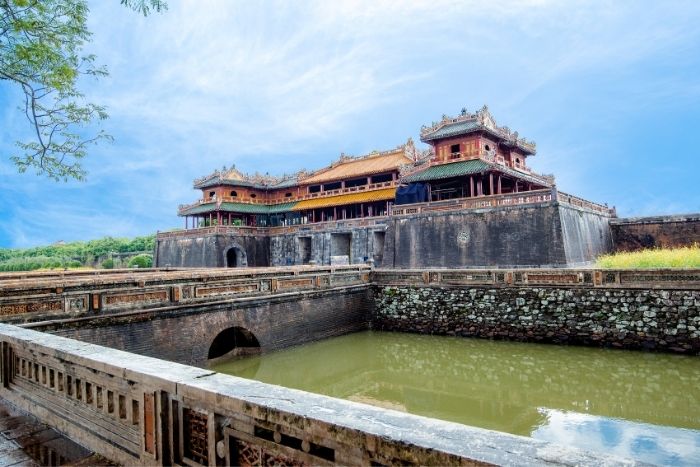
Passing through the Ngo Mon Gate, visitors step into a place steeped in history: the Hue Imperial City, the heart of Vietnam’s former imperial capital and a UNESCO World Heritage Site. Built in the early 19th century under Emperor Gia Long, the complex blends traditional Vietnamese architecture with subtle French influences. Palaces, temples, and pavilions reveal the daily life of the emperor and his royal court, while gardens and ancient walls create a peaceful atmosphere. Every stone tells a story of imperial Vietnam, making a guided visit one of the most enriching things to do in Hue.
2. Thien Mu Pagoda and other temples
Perched on top of a hill, Thien Mu Pagoda overlooks the Perfume River and the Imperial City, offering one of the most iconic views of Hue. Its seven-story tower, symbolizing the seven reincarnations of Buddha, stands as a powerful spiritual landmark. Visitors can stroll through peaceful gardens and observe local religious rituals. Other temples, such as Tu Hieu Pagoda and Bao Quoc Pagoda, provide equally serene atmospheres, ideal for travelers wishing to explore Hue’s religious history and traditional culture.

3. Royal tombs and mausoleums
Surrounding Hue, the royal tombs stretch across hills and rivers, each reflecting the grandeur and personality of its emperor. The Minh Mang Tomb, sober and majestic, impresses with its harmonious architecture and symmetrical gardens. The Khai Dinh Tomb captivates visitors with its unique style, blending Vietnamese tradition and European influences, while the Tu Duc Tomb invites leisurely walks around its peaceful ponds and pavilions.
To explore these mausoleums, it is recommended to rent a bicycle, motorcycle, or take a taxi, especially for tombs located outside the city center. A professional Vietnam travel agency can also organize a full-day tour or guided visit, helping you optimize your itinerary and enrich your experience with historical and cultural insights.
4. Bridges and markets
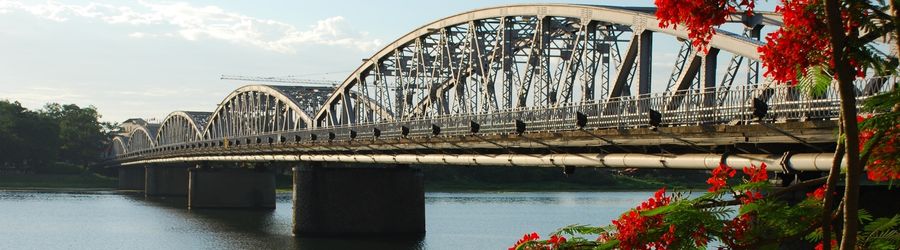
What to do in Hue? Walking along the Perfume River offers a chance to discover Hue’s historic bridges, each telling a story of the city’s past. The Trang Tien Bridge, built during the French colonial period, is a must-see. Its colorful railings reflect the light at sunset, providing perfect photo opportunities. Other bridges, such as Cau Kho Bridge and Dieu De Bridge, are ideal for a leisurely stroll and experiencing the local atmosphere.
Hue’s markets, particularly the famous Dong Ba Market, form the city’s vibrant heart. With stalls selling fresh fruits, spices, local specialties, and traditional handicrafts, each visit offers travelers an authentic glimpse into the daily life of Hue’s residents.
5. Museums and traditional villages
To truly understand Hue, exploring its museums and nearby traditional villages is essential. The Hue Fine Arts Museum and the Nguyen Dynasty Museum display imperial treasures, costumes, and ceramics that narrate the history of the city and its emperors. Visiting these cultural sites is a perfect introduction to Hue’s rich artistic and spiritual legacy.
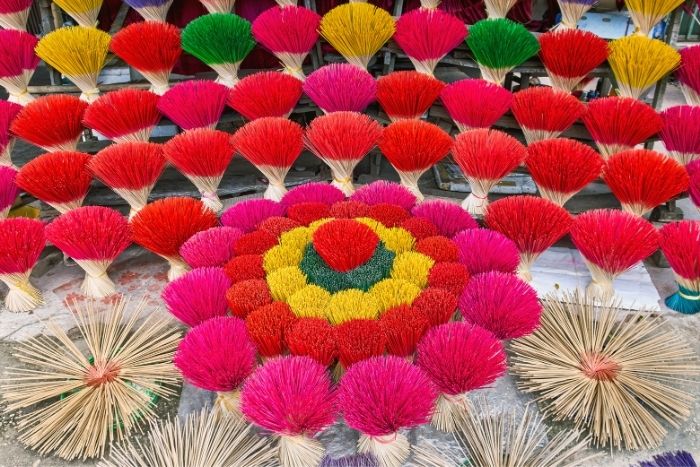
Just outside the city, traditional villages offer a glimpse into local life and artisanal craftsmanship. The Thuy Xuan incense village produces handmade incense for temples and ceremonies, while the Phuoc Tich pottery village keeps ancient techniques alive and offers interactive workshops for visitors. These hands-on experiences are among the most rewarding things to do in Hue, allowing travelers to meet locals and immerse themselves in centuries-old customs and traditions.
III. Things to do in Hue: Activities and experiences
1. Cruise on the Perfume River
A cruise on the Perfume River is one of the most memorable things to do in Hue. Along the river, lush hills and historic temples are reflected in the water, creating a peaceful and poetic atmosphere. Many cruises include stops at pagodas and imperial tombs located along the banks. Whether taken at sunrise or sunset, the boat trip combines relaxation and cultural discovery in a picturesque setting. For a well-organized and hassle-free experience, it is recommended to book through a professional Vietnam travel agency, which can arrange the cruise and provide a local guide to enhance your visit.

2. Festivals and cultural events in Hue
Hue is a city full of culture and traditions, reflected in its festivals and events throughout the year. The Hue Festival, held every two years, is the most famous, featuring traditional music, imperial dances, water puppet shows, and colorful parades that showcase the city’s heritage.
Other celebrations include Tet Nguyen Dan, the Vietnamese Lunar New Year, with ceremonies in pagodas, lantern displays, and festive markets. The Perfume River boat race festival attracts many visitors, with local teams competing in decorated boats and enjoying a lively atmosphere of music and traditional rituals. Attending these festivals is one of the most memorable things to do in Hue and a great way to experience local culture.
3. Cooking classes and culinary experiences
One of the best things to know about visiting Hue, participating in a cooking class in Hue is a unique and immersive way to explore the city’s local cuisine. These classes teach travelers how to prepare iconic dishes, such as spring rolls or Nem Lui, under the guidance of a local chef in a traditional Vietnamese house. Beyond cooking techniques, participants learn about local ingredients, spices, and the secrets behind each recipe, gaining new skills and a deeper understanding of Vietnam’s culinary culture.
Some classes also include a visit to local markets to select fresh ingredients, providing a complete experience from market to table. Additionally, there are workshops focused on Vietnamese coffee, where participants can prepare and taste four signature variations: traditional phin coffee, creamy egg coffee, the surprising salted coffee, and sweet coconut coffee, offering a unique and unforgettable sensory experience.
4. Handicrafts and tailor-made clothing
Hue is famous for its history, culture, and also its tailor-made clothing. Local artisans are skilled at making unique garments, from traditional ao dai to suits, shirts, and trousers. Making an outfit usually takes 1 to 3 days, so travelers can combine shopping with sightseeing.
Some of the best tailors in Hue are located in the city center or near the Citadel. Visitors can choose fabrics, colors, and styles with the help of an experienced tailor. This hands-on activity is both practical and immersive, giving travelers a special souvenir to remember their stay in Hue.
5. Relaxing on the beaches
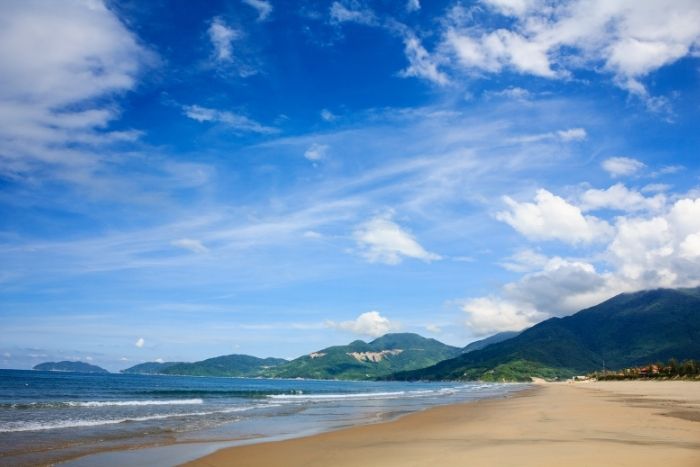
After busy days exploring Hue’s cultural and historical sites, travelers will enjoy a relaxing break on the city’s nearby beaches. Just a short drive from the city center, Thuan An Beach is known for its fine sand, calm waters, and peaceful atmosphere, making it perfect for strolling or simply relaxing by the shore. Further south, Lang Co offers a long, pristine stretch of coastline surrounded by green hills, ideal for swimming, sunbathing, or light water activities like kayaking. These beaches are easily reachable by car or motorbike from Hue and combine relaxation, nature, and stunning scenery.
IV. Practical tips for a successful trip to Hue
1. Getting around Hue
Hue is easy to navigate, with compact streets and good roads. For short distances, cyclo-pousses, bicycles, or motorbikes are fun and practical ways to explore the city and the riverfront. Taxis are convenient for visiting places further away, like Lang Co Beach or the imperial mausoleums. To make the most of your time, travelers can book day trips or multi-site tours through a reliable Vietnam travel agency Autour Asia, which provides local guides and ensures a smooth, informative experience.
2. Accommodation in Hue
Whether you prefer comfort or authenticity, Hue has accommodation options for every traveler. Riverside resorts and charming hotels offer stunning views along the Perfume River, while homestays and family-run guesthouses provide a cozy, local experience. Staying near the city center or the Citadel makes it easy to visit Hue’s main landmarks and explore bustling markets. Some guesthouses enhance the stay with activities like cooking workshops or guided excursions, giving visitors a chance to immerse themselves fully in Hue’s culture without leaving their accommodation.
3. Safety tips and practical advice
When traveling in Hue, remember to wear a hat, sunscreen, and light clothes to stay protected from the sun. Dress modestly with shoulders and knees covered when visiting the Citadel, mausoleums, and pagodas to respect local customs and access all sites. Keep your personal items safe, particularly in crowded markets. A stay of 3 to 4 days is recommended to see Hue’s main attractions, including the Citadel, royal tombs, temples, markets, and nearby beaches.
In summary, Hue is a city where history, culture, and nature come together to offer travelers a unique and complete experience. The majestic Citadel, peaceful royal tombs, spiritual pagodas, and lively markets reveal the many layers of the ancient imperial capital. After busy cultural days, the nearby beaches of Thuan An and Lang Co offer a welcome pause to relax and enjoy the natural surroundings. To fully appreciate all that Hue has to offer, booking your trip with a reliable Vietnam travel agency Autour Asia ensures organized excursions, knowledgeable local guides, and a safe, immersive experience. This Hue travel guide provides everything you need to know about visiting Hue, combining essential sights and hands-on experiences for a memorable journey.
The most popular tours from Hue allow travelers to explore both the imperial heritage of Central Vietnam and the diverse landscapes of surrounding regions. The Hue DaNang Hoi An 5-day tour is the most requested, combining the Citadel and imperial tombs of Hue, the scenic Hai Van Pass, beaches, and the UNESCO-listed ancient town of Hoi An. Another favored itinerary is the Hue Phong Nha Ke Bang 3 days tour, perfect for nature lovers and hiking enthusiasts. Hue can also be included in a North-to-South Vietnam itinerary, connecting Hanoi, Ha Long Bay, Hoi An, and Ho Chi Minh City. These tours are often customizable according to the duration of stay, desired pace, and traveler interests, making it easy to plan a memorable trip with a Vietnam travel agency.
The culinary specialties of Hue reflect the imperial heritage of Vietnam’s former capital and are known for their delicate flavors, balance, and elegant presentation. The most iconic dish is undoubtedly Bun Bo Hue, a spicy beef noodle soup flavored with lemongrass and chili, loved by both locals and travelers. Other must-try food in Hue include Banh Beo, Banh Nam, and Banh Bot Loc, small rice cakes often served as an assortment, representing the refined cuisine of the imperial court. Nem Lui, grilled pork skewers served with rice pancakes and fresh vegetables, is also very popular. For dessert, traditional sweets like Che Hue (sweet soups) offer a delightful taste of local flavors.
Choosing accommodation in Hue mainly depends on your preferences and budget. For those seeking comfort and modern amenities, hotels and resorts along the Perfume River or near the city center offer spacious rooms, swimming pools, restaurants, and sometimes spa services. Homestays in Hue are ideal for travelers looking for authenticity and immersion in local life. You share daily life with local families, discover traditional cuisine, and often receive personalized advice for sightseeing. It is recommended to book in advance, especially during high season or festivals, to secure the best options and proximity to Hue’s main attractions.
Related travel guide
Other similar articles


CUSTOMIZABLE BY LOCAL EXPERTS
Personalized trip at the original price!

REFUND GUARANTEE
We believe in our work and promise to give you money back.

GOOD PRICE / QUALITY
95% satisfied more than expected!

24/7 LOCAL SUPPORT
We are always available online to provide assistance at any time.

Most read articles


Autour Asia is highly recommended on
Embracing the mission of "Satisfied more than expected" and providing authentic experiences, we have received numerous recommendations on reputable travel forums: