
Saigon Travel Guide - Essential Information For Travelers
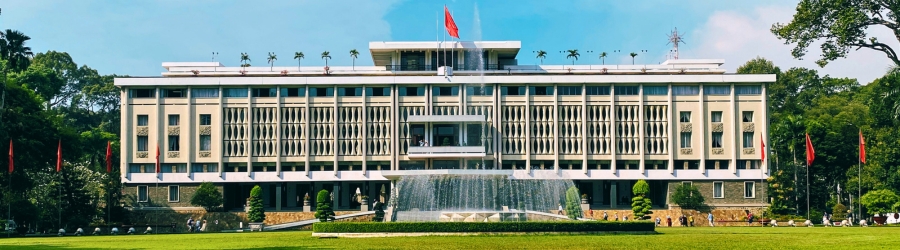
Ever wonder what makes Vietnam’s largest city pulse with such relentless energy ? Welcome to Saigon, where bold modern growth stands alongside long-standing traditions. Whether you are a foodie searching for the perfect bowl of hu tieu or a history enthusiast eager to explore iconic landmarks like the Independence Palace, there is no shortage of unforgettable things to do in Saigon. From lively streets filled with street food to a rapidly evolving urban landscape, the city offers a rich and multidimensional travel experience. This Saigon travel guide, developed with the trusted insight of Autour Asia, is designed to help you navigate the city with clarity and confidence. Ready to build your perfect Saigon itinerary and dive into the heart of southern Vietnam ? Let’s begin !
Saigon Travel Guide
I. Things to know before visiting Saigon
1. Where is Saigon located ?
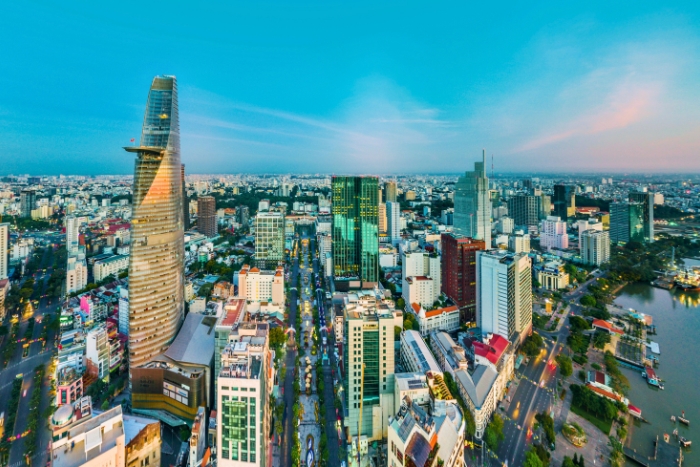
Saigon, officially known as Ho Chi Minh City, is the beating heart of Southern Vietnam. Situated along the banks of the Saigon River, it serves as the country’s primary economic engine and a vibrant cultural melting pot. Strategically positioned as an international gateway, the city lies approximately 1,700 km south of Hanoi and acts as the main jumping-off point for exploring the Mekong Delta. According to the latest Saigon travel information, the city has expanded significantly in recent years, evolving into a vast metropolitan region that blends historic Southeast Asian charm with fast-moving global commerce.
As of July 2025, Ho Chi Minh City underwent a major administrative transformation, merging with Binh Duong and Ba Ria - Vung Tau to form the largest metropolitan region in Vietnam. The expanded region now has over 14 million residents and a broader geographic scope, integrating industrial smart cities, coastal destinations like Vung Tau, and the remote Con Dao islands. For travelers, this creates more diverse exploration opportunities across southern Vietnam.
2. When to visit Saigon ?
The city enjoys a tropical monsoon climate with two distinct seasons, each shaping how visitors experience its Saigon tourist attractions.- Dry season (December - April) : Often considered the most pleasant period, with lower humidity and clearer skies, making it ideal for walking tours and outdoor exploration. Visiting in late January or February also offers the chance to experience the vibrant Tet Festival (Lunar New Year).
- Rainy season (May - November) : Short but intense afternoon showers are common, but they usually pass quickly. The rain refreshes the air, brings greener scenery, and often comes with more affordable hotel rates.
3. How to get to Saigon ?
Planning your arrival is essential for a smooth Saigon itinerary :- By air : Tan Son Nhat International Airport sits just 6-8 km from District 1, and the ride downtown usually takes 20-40 minutes, depending on traffic.
- By train : The North-South railway links major cities nationwide, the journey from Hanoi lasts around 30-35 hours.
- By coach : Frequent and budget-friendly services operate from southern and central provinces.
- By private vehicle : Modern expressways and national highways provide efficient access from surrounding regions.
4. How to get around Saigon ?
Understanding local transport options makes any Saigon travel guide far more useful once travelers are on the ground.- Ride-hailing apps : Grab, Be, and Xanh SM offer convenient booking and transparent pricing.
- Taxis : Widely available, choose reputable companies for reliability.
- Public buses : Budget-friendly with an extensive citywide network.
- Metro Line 1 : The Ben Thanh - Suoi Tien corridor forms part of the city’s developing urban rail system.
- Motorbike rental : Suitable only for experienced riders comfortable with dense traffic.
- Water bus : A scenic route along the Saigon River with views of the skyline.
Rush hours (7:00-9:00 AM and 4:30-7:00 PM) can slow traffic significantly, so timing your trips helps avoid delays.
II. Best things to do in Saigon
1. Explore historical landmarks
To better navigate the city’s layered past, a clear Saigon travel map helps visitors understand how historic landmarks connect across districts beyond the city center :
- Independence Palace
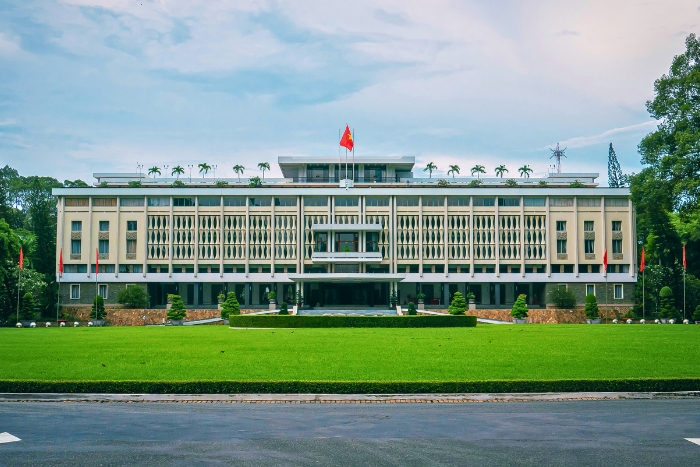
Standing on Nam Ky Khoi Nghia Street, the Independence Palace remains one of the most meaningful things to do in Saigon for history-focused travelers. Built on the site of the former Norodom Palace, it served as the presidential residence of South Vietnam. On April 30, 1975, a tank entered its gates, marking the end of the war. Today, preserved meeting rooms and underground bunkers allow visitors to step directly into this defining historical moment.
- War Remnants Museum
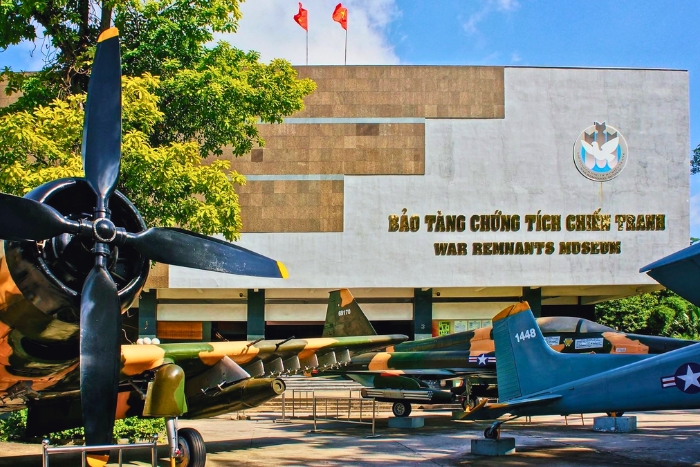
A short distance away, the War Remnants Museum offers a sobering yet essential experience featured in every thoughtful Saigon travel guide. Established in September 1975, the museum displays photographs, military equipment, and more than 20,000 documents related to the Vietnam War. Its themed galleries present historical facts with clarity and balance, helping visitors better understand Vietnam’s resilience and modern identity.
- Nha Rong Wharf
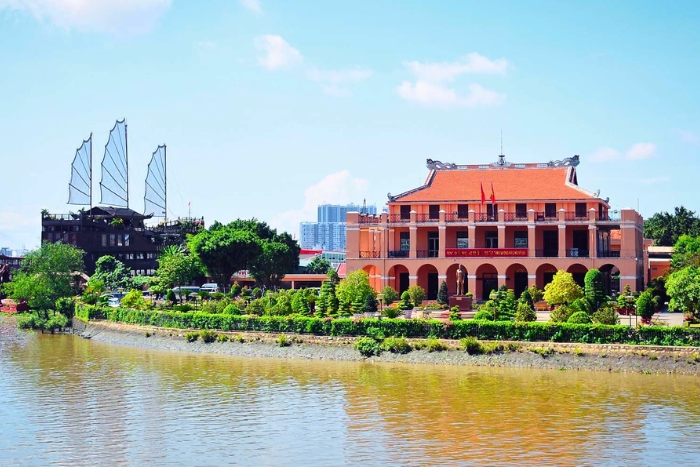
Nha Rong Wharf remains one of the most significant Saigon tourist attractions, marking the place where Ho Chi Minh began his journey abroad in 1911. The building blends French colonial architecture with distinctive Vietnamese ceramic dragon motifs on the roof. Today, it functions as a museum preserving original documents and personal artifacts. Walking along the riverside offers a quieter moment, with open views across the Saigon River and a chance to reflect on an important chapter of Vietnam’s history.
- Cu Chi Tunnels
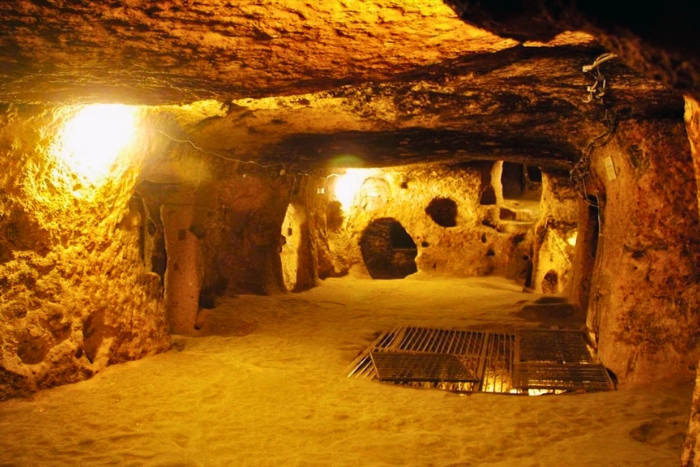
No visit is complete without exploring the Cu Chi Tunnels, a remarkable example of wartime engineering that provides valuable Saigon travel information about Vietnam’s resilience. This vast 250-kilometer underground network includes multiple levels reaching depths of up to 12 meters. Visitors can crawl through widened sections and learn how soldiers lived under extremely challenging conditions. The experience offers powerful insight into the endurance and ingenuity that shaped a defining period of Vietnam’s past.
2. Admire French colonial architecture
- Notre Dame Cathedral of Saigon
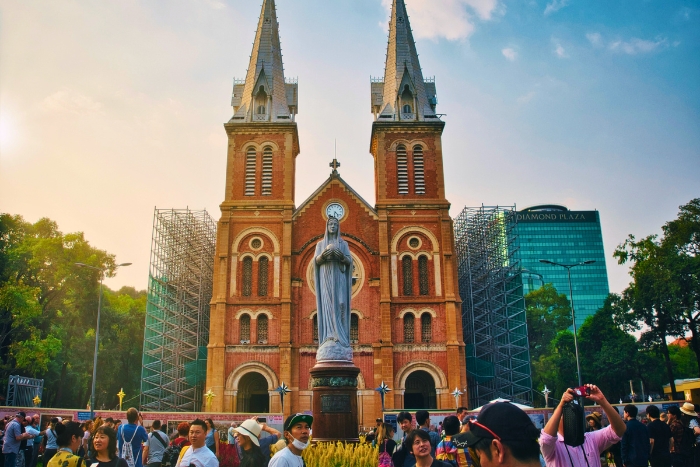
Rising in the heart of District 1, Notre Dame Cathedral of Saigon was built between 1877 and 1880 using red bricks imported from France. Its twin bell towers reach nearly 60 meters, creating a striking contrast against the surrounding modern skyline. Although currently under long-term restoration, the square remains a lively gathering place. Adding this landmark to any well-planned Saigon itinerary allows travelers to see how European architecture became part of the city’s evolving identity.
- Saigon Central Post Office
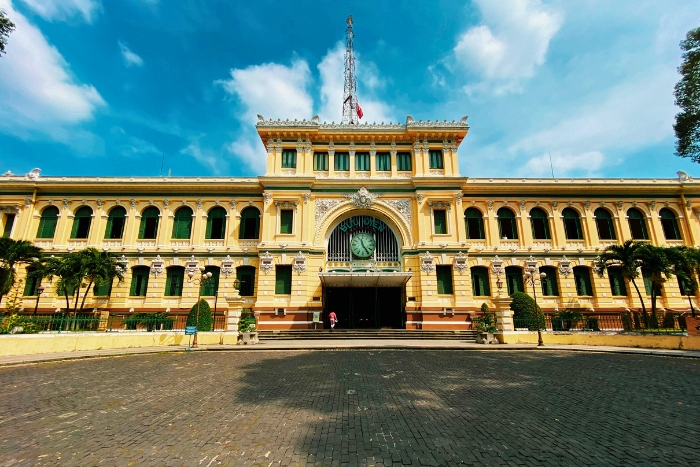
Just steps away stands the Saigon Central Post Office, constructed between 1886 and 1891. Designed by French architect Alfred Foulhoux, the building blends European structural design with subtle Asian decorative elements. Inside, high vaulted ceilings and a large portrait of Ho Chi Minh overlook the main hall. Any reliable Saigon travel guide recommends visiting not only for photographs, but also to send a postcard from this still-operating historic landmark.
- Ho Chi Minh City Opera House
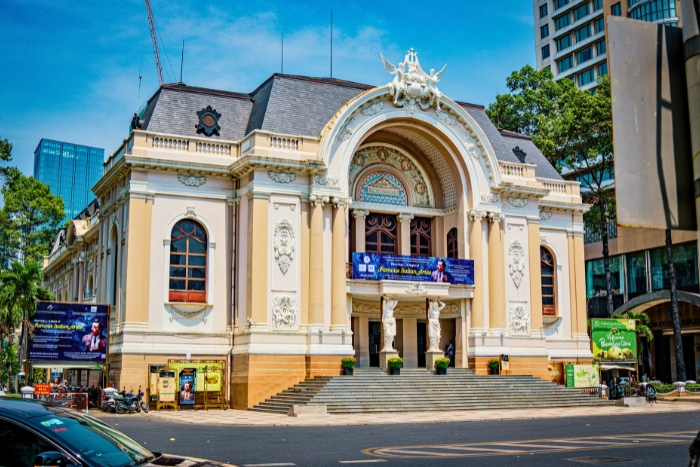
As evening approaches, attention shifts to the Ho Chi Minh City Opera House on Dong Khoi Street. Completed in 1897 and inspired by French Renaissance architecture, it now hosts concerts, ballet, and cultural performances, including the well-known A O Show. Attending a performance here remains one of the more refined things to do in Saigon, offering an elegant contrast to the city’s vibrant streets outside.
3. Discover religious and spiritual sites
- Jade Emperor Pagoda
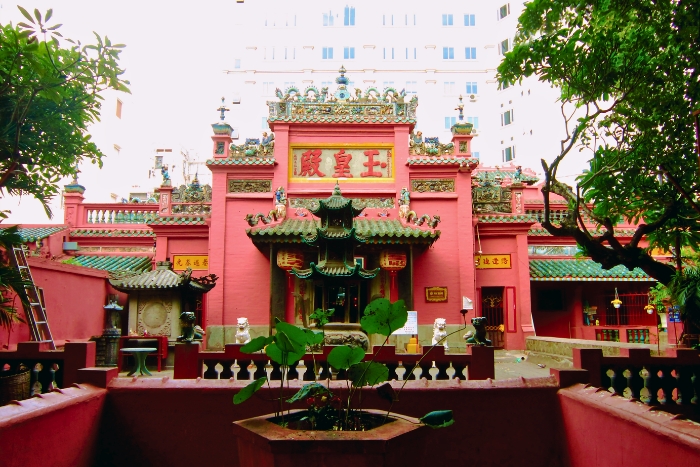
Tucked away on Mai Thi Luu Street, Jade Emperor Pagoda dates back to the early 20th century and remains one of the city’s most atmospheric temples. Inside, carved wooden panels, spiraling incense coils, and detailed statues of the Jade Emperor create a contemplative and immersive setting. Any thoughtful Saigon travel guide highlights this stop for travelers interested in Taoist and Buddhist traditions. Visiting early in the morning allows for a quieter, more reflective experience before tour groups arrive.
- Tan Dinh Church
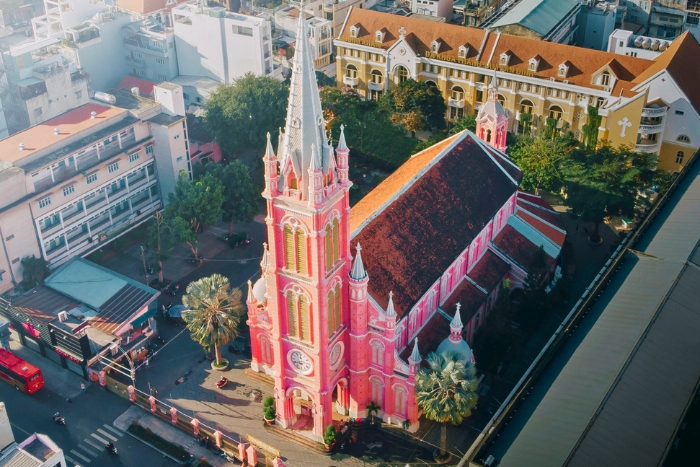
A short drive away, Tan Dinh Church immediately captures attention with its pastel-pink façade along Hai Ba Trung Street, earning it the nickname "Pink Church". Completed in 1876, it stands as one of the oldest and most photographed Saigon tourist attractions. Its Romanesque structure, Gothic detailing, tall bell tower, and stained-glass windows reflect strong French colonial influence. Visitors often stop for photographs or to observe daily mass, appreciating how faith and architecture continue to shape the city’s cultural landscape.
4. Visit Ben Thanh Market
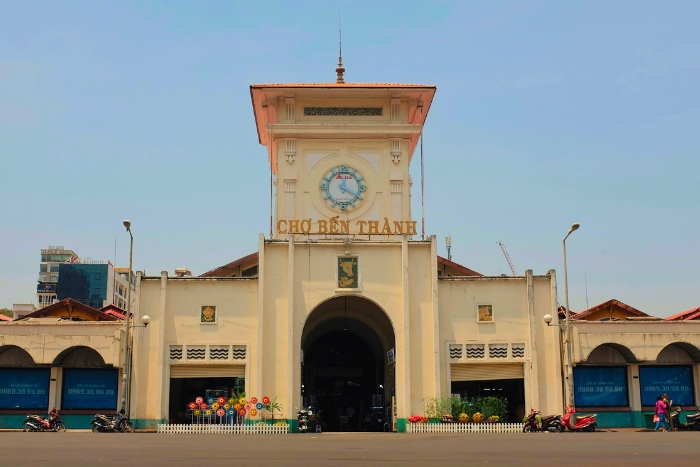
Standing as a timeless symbol of the city’s commercial energy, Ben Thanh Market, established in 1914, captures the everyday rhythm of southern Vietnam. Beyond its iconic clock tower, the interior unfolds into a lively maze of lacquerware, silk, spices, coffee, and ready-to-eat street food. Updated Saigon travel information suggests visiting early for shopping or after 7 p.m. to experience the buzzing night market. Bargaining is expected and often becomes part of the overall experience.
5. Explore Chinatown (Chợ Lớn)
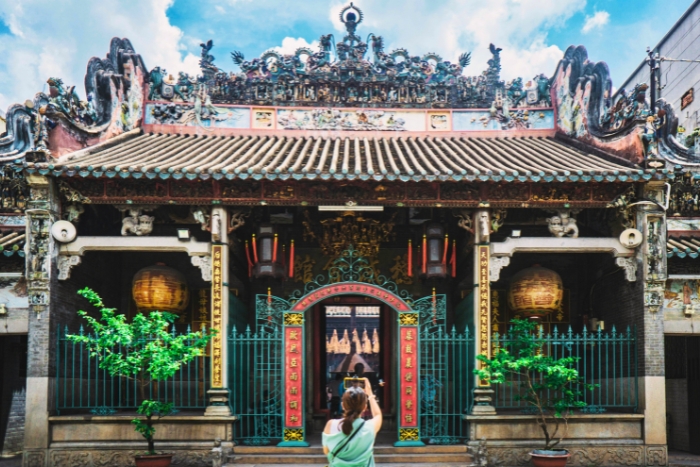
Shifting west toward District 5, Chợ Lớn reveals another side of the city - vibrant, traditional, and deeply rooted in Chinese-Vietnamese heritage. Recognized as the largest Chinatown in Vietnam, this district has shaped local commerce since the late 18th century. Visitors can wander through Binh Tay Market, step inside historic temples like Thien Hau, and sample dim sum, roast duck, or a bowl of hu tieu from long-standing eateries. Any well-rounded Saigon travel guide includes Chợ Lớn for its layered history and unmistakable atmosphere.
6. Enjoy modern urban attractions
- Landmark 81
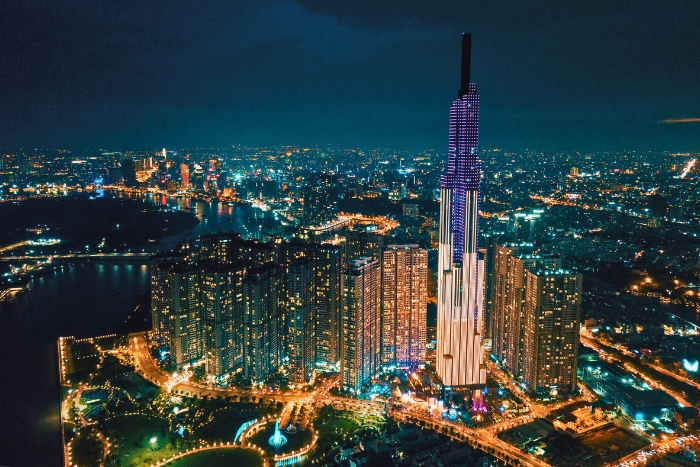
Rising 461,3 meters above the Saigon skyline, Landmark 81 has redefined the city’s modern identity since its completion in 2018. Located in Binh Thanh District, the tower features a shopping mall, restaurants, luxury residences, and an observation deck with sweeping panoramic views. Including it in a well-balanced Saigon itinerary allows travelers to see how quickly the city has evolved in just a few decades. Visiting near sunset offers particularly striking views as the skyline gradually lights up.
- Nguyen Hue Walking Street
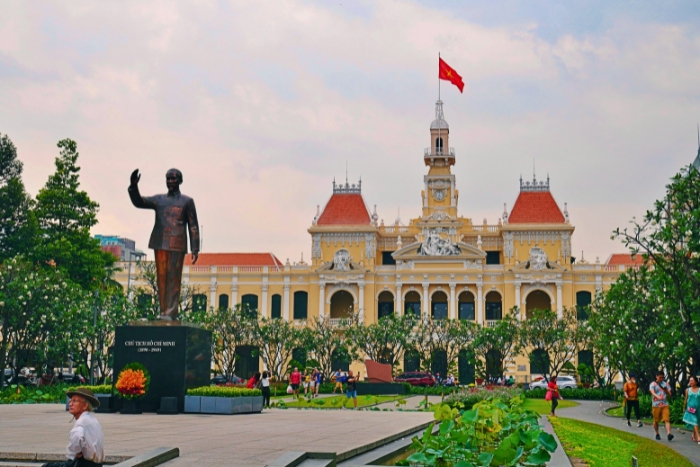
Stretching from the City Hall to the Saigon River, Nguyen Hue Walking Street provides rare open space in the heart of a dense metropolis. As evening approaches, families gather, street performers entertain crowds, and cafés lining the boulevard glow with activity. Among popular things to do in Saigon, strolling here offers a relaxed way to observe daily urban life. Weekend nights feel especially vibrant, but the spacious boulevard ensures the area never feels overly crowded.
- Bui Vien Walking Street
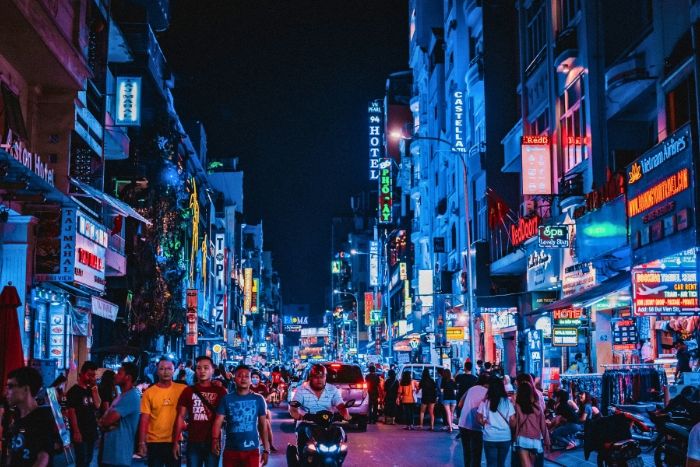
As night falls, the energy shifts toward Bui Vien Walking Street, one of the most famous Saigon tourist attractions for nightlife seekers. Known as the "backpacker street", it pulses with neon lights, live music, and outdoor seating that spills onto the pavement. Drawing an international crowd eager for street food and late-night entertainment, the atmosphere is loud, colorful, and undeniably lively. Here, visitors experience a raw, high-energy side of Saigon’s youthful spirit.
- Saigon Zoo and Botanical Gardens
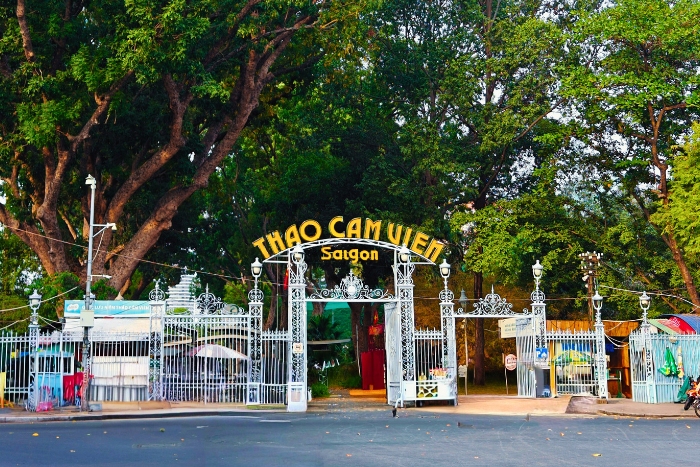
For a complete change of pace, this Saigon travel guide recommends spending a morning at the Saigon Zoo and Botanical Gardens. Established in 1865, it remains one of the oldest zoological parks in Vietnam and serves as a green refuge near the city center. Home to more than 1,300 animals and century-old tropical trees, it offers a peaceful space where families gather to relax. From shaded walking paths to occasional weekend activities, the atmosphere provides a refreshing contrast to the surrounding traffic.
7. Relax with wellness and leisure activities
- Unwind with spa and Vietnamese massage
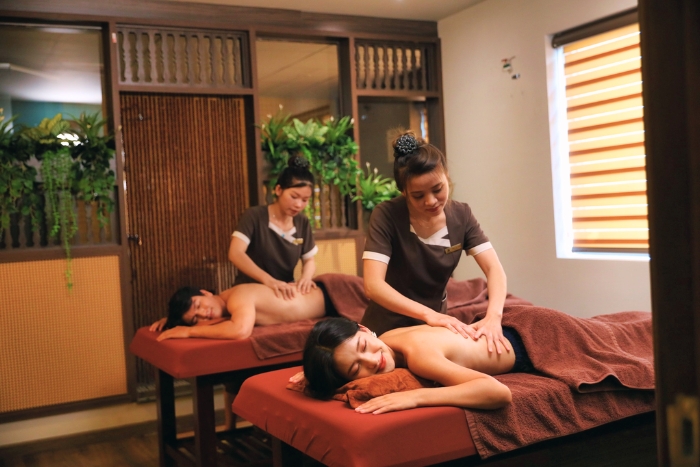
Few experiences feel more rewarding than stepping into one of the best spa massages & foot massages in Saigon after hours of walking. From herbal steam rooms to traditional Vietnamese acupressure techniques, treatments focus on circulation and deep muscle relief. Many reputable spas are located in District 1 and District 3, offering clean facilities and skilled therapists. For travelers seeking restorative things to do in Saigon, a 60-90 minute massage can help reset both body and mind.
- Discover local flavors on a motorbike food tour
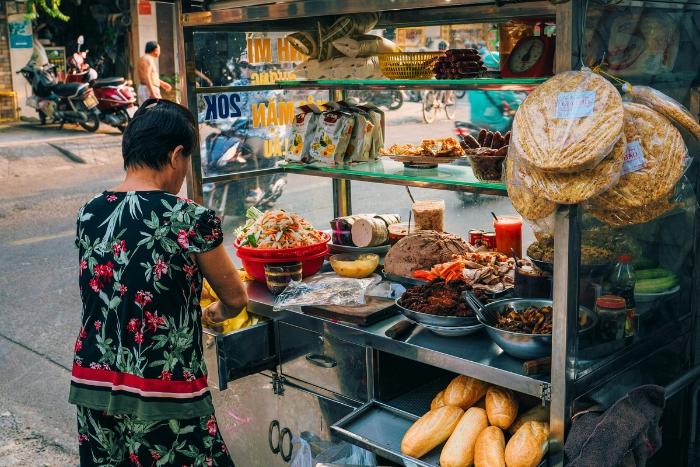
For a more immersive evening, joining a motorbike food tour Saigon reveals flavors hidden beyond tourist streets. Riding through lively districts, visitors weave between local neighborhoods sampling banh xeo, grilled seafood, and late-night desserts in authentic settings. Including this experience in a flexible Saigon itinerary adds cultural depth while keeping the atmosphere informal and engaging. Helmets on, traffic buzzing, dishes arriving one after another - it becomes a memorable culinary adventure.
- Enjoy golf in Southern Vietnam

Travelers seeking a refined escape can explore well-designed golf courses across the greater metropolitan region. Options range from 4-day and 5-day golf programs to longer stays for dedicated players. Modern facilities, tropical landscapes, and well-maintained fairways attract international visitors year-round. Combining golf with urban exploration offers a relaxing and balanced addition to any extended stay in southern Vietnam.
See more : Ho Chi Minh golf package 1 week
III. What to eat in Saigon ?
Saigon is an absolute paradise for food lovers, where every street corner offers a new flavor to discover. Here are the must-try staples that define the southern palate :
1. Pho
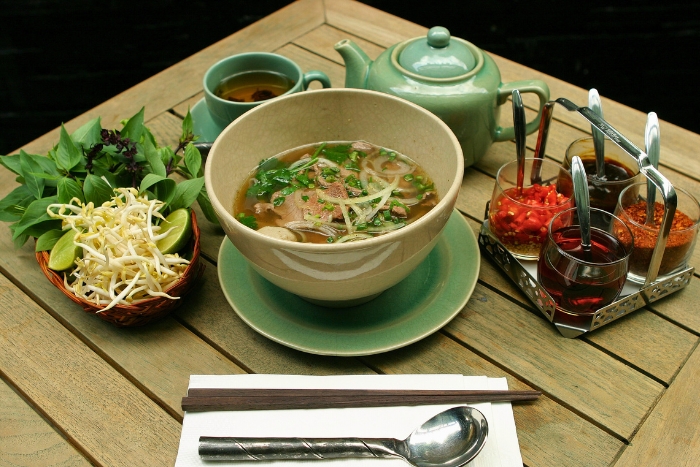
No Saigon travel guide feels complete without Pho. This rice noodle soup combines slow-simmered beef broth, flat noodles, fresh herbs, and sliced beef or chicken. Southern pho is slightly sweeter than the northern style and served with bean sprouts and herbs. Comforting and fragrant, it is enjoyed from early morning to late evening across the city.
Read more : Where to eat the best Pho in Vietnam
2. Banh mi

Crisp on the outside and airy inside, banh mi beautifully reflects Vietnam’s French influence. The baguette is typically filled with grilled pork, pâté, pickled vegetables, herbs, and chili. According to updated Saigon travel information, it is available almost everywhere, at nearly any hour. Affordable, flavorful, and easy to carry, it remains the ultimate quick local bite.
3. Com tam
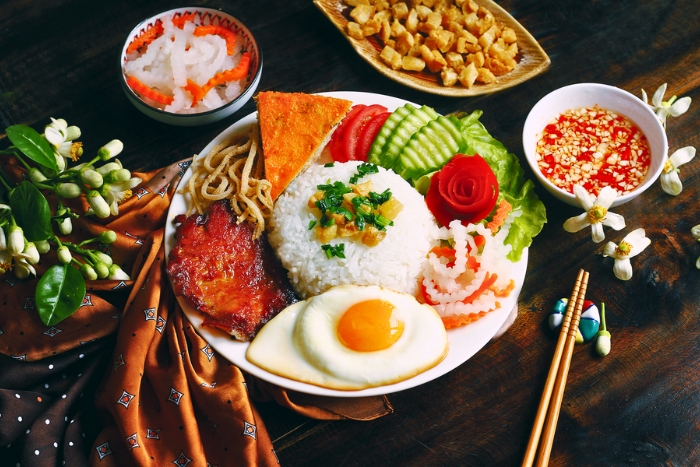
Sampling com tam remains one of the most authentic things to do in Saigon. A plate usually includes grilled pork chop, shredded pork skin, pickles, and sometimes a fried egg, all finished with sweet-savory fish sauce. The smoky aroma and tender broken rice create a satisfying balance. Simple yet deeply tied to everyday southern life, it remains a lasting local favorite.
4. Hu tieu
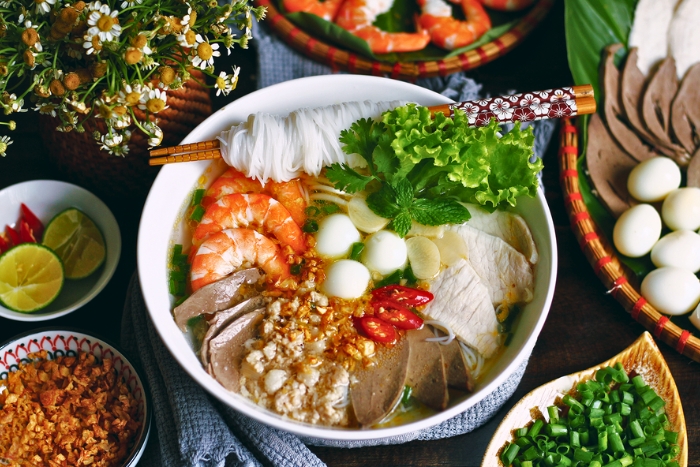
Lighter than pho yet equally comforting, hu tieu reflects southern culinary traditions shaped by Chinese and Khmer influences. The clear pork or seafood broth pairs with chewy noodles, shrimp, sliced pork, and crispy shallots. Adding it to a flexible Saigon itinerary introduces visitors to a subtler regional specialty. It can also be served dry, with broth on the side.
5. Banh xeo
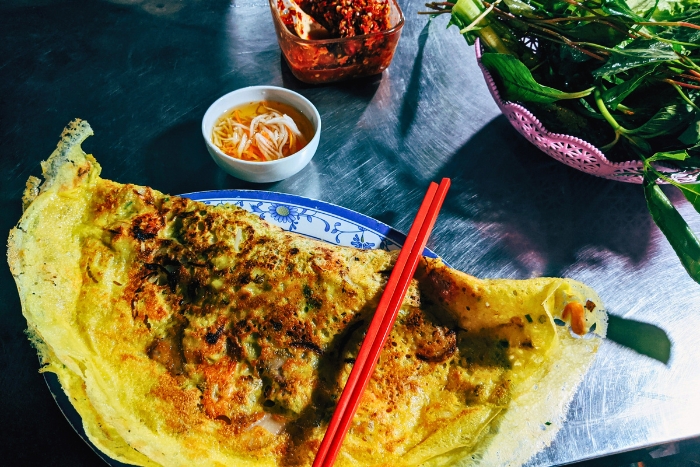
Named after the sharp "sizzle" when batter touches a hot pan, banh xeo is a crisp, turmeric-golden pancake often featured in any thoughtful Saigon travel guide. Filled with shrimp, pork, and bean sprouts, it is wrapped in herbs and lettuce before dipping into fish sauce. Freshly cooked and shared at the table, it delivers texture, aroma, and enjoyment in every bite.
Explore more : Best restaurants in Saigon
IV. Practical tips for your trip to Saigon
After discovering what to see and eat, practical planning becomes equally important. A smooth stay depends on choosing the right area, packing wisely, and understanding local habits. Here is what travelers should know before finalizing their Saigon itinerary :
1. Where to stay in Saigon ?
Staying centrally makes it easier to reach major Saigon tourist attractions without losing time in traffic. The city offers accommodation for every travel style and budget :- Luxury & Mid-Range : Stay near Nguyen Hue Walking Street or the Opera House for convenient access to key highlights in any Saigon travel guide. This central area offers high-end 5-star and comfortable 4-star hotels close to shopping and dining.
- Budget & Vibe : Around Bui Vien Street (Backpacker District), you’ll find affordable hostels and best homestays options. The lively atmosphere suits travelers seeking nightlife and a social setting.
- Culture & History : Staying near Ben Thanh Market keeps you within walking distance of historical landmarks and popular street food areas, with many reliable 3-star hotels at reasonable rates.
2. What to pack ?
The tropical climate calls for smart packing. This Saigon travel guide recommends :- Clothing : Choose light, breathable fabrics such as cotton or linen. Pack t-shirts, shorts, and loose trousers to stay comfortable in the heat.
- Respectful attire : Bring at least one outfit covering shoulders and knees for temples, pagodas, and churches.
- Weather & Sun protection : A wide-brimmed hat, high-SPF sunscreen, and a light waterproof poncho help manage strong sun and sudden tropical showers.
- Footwear : Comfortable sneakers for walking and simple flip-flops for casual outings are usually enough.
3. Useful tips
- Traffic : When crossing the road, walk steadily and predictably - do not run. Avoid rush hours (7:00-9:00 AM, 4:30-7:00 PM).
- Cash : While major stores accept cards, small denominations of Vietnamese Dong are essential for markets and street food.
- Stay alert : Keep belongings secure in crowded areas. Wear bags across your chest and avoid displaying valuables.
- Book ahead : Reserve accommodation and travel plans early, especially during peak season (December-April), for better availability and rates.
With these practical details prepared in advance, visitors can focus entirely on enjoying the city’s rhythm.
Wrapping up your journey in this relentless metropolis, it becomes clear that the city’s true magic lies in its ability to surprise at every turn. Whether wandering through iconic Saigon tourist attractions or drifting into the aromatic steam of a hidden alleyway food stall, the energy feels unmistakably alive. This Saigon travel guide aims to offer the clarity needed to explore the organized chaos of the south with confidence. With thoughtful planning and local insight from Autour Asia, discovering the many things to do in Saigon becomes both seamless and deeply rewarding. Pack your curiosity, follow your instincts, and let the rhythm of Saigon guide your journey forward.
You might be interested in :
- Ready to bring this Saigon travel guide to life ? Let Autour Asia, your trusted Vietnam travel agency, design a personalized journey that turns every highlight, flavor, and hidden corner of the city into an unforgettable experience.
- South Vietnam Tours
- Vietnam Trip 2 Weeks
- Hanoi Tourist Map
- What To Do In Saigon In November
Spending 15 days in Vietnam allows travelers to fully experience the country’s remarkable diversity from north to south. Begin in Hanoi’s historic Old Quarter, cruise through the limestone landscapes of Ha Long Bay, and trek the terraced rice fields of Sapa. Continue to Hue’s Imperial Citadel and the lantern-lit charm of Hoi An before exploring dynamic Ho Chi Minh City. The journey concludes in the Mekong Delta, where floating markets and river life offer authentic local insight. Well-paced and immersive, 15 days in Vietnam provides the perfect balance of culture, nature, cuisine, and history for a truly unforgettable adventure.
There is no difference in location - both names refer to the same city in southern Vietnam. Ho Chi Minh City is the official name, adopted in 1976 after the reunification of the country. However, many locals and visitors still use the name Saigon in everyday conversation, especially when talking about the central districts or the city’s cultural identity. In practice, you will see both names used interchangeably. Hotels, businesses, and travel services often include “Saigon” because it feels familiar and historic, while official documents and maps use Ho Chi Minh City.
Getting around Saigon is relatively easy once visitors understand the city’s rhythm. Ride-hailing apps like Grab are widely used and offer clear pricing, making them convenient for short and long distances. Traditional taxis remain available throughout central districts, while public buses provide a budget-friendly option for longer routes. The new metro line connecting Ben Thanh to Suoi Tien also helps reduce travel time across key areas. For short trips, many travelers enjoy walking in District 1, especially near major attractions. To move comfortably, it is best to avoid peak traffic hours and plan routes in advance.
Related travel guide
Other similar articles


CUSTOMIZABLE BY LOCAL EXPERTS
Personalized trip at the original price!

REFUND GUARANTEE
We believe in our work and promise to give you money back.

GOOD PRICE / QUALITY
95% satisfied more than expected!

24/7 LOCAL SUPPORT
We are always available online to provide assistance at any time.

Most read articles


Autour Asia is highly recommended on
Embracing the mission of "Satisfied more than expected" and providing authentic experiences, we have received numerous recommendations on reputable travel forums: