
Mekong Delta Tourist Map - What To Do And See?

Explore the Mekong Delta with a Mekong Delta tourist map to uncover the best experiences this vibrant region has to offer. The delta, often called Vietnam’s "rice bowl", is famous for its floating markets, lush waterways, and rich cultural traditions. Travelers can use a Mekong tourist map to navigate charming villages, scenic rivers, and local attractions, making the journey effortless and immersive. Wondering what to do in Mekong Delta? Cruise the canals, sample authentic cuisine, visit traditional temples, and experience river-based lifestyles firsthand. A well-planned Mekong Delta travel itinerary ensures you see the highlights while discovering hidden gems along the water. This guide is your key to exploring the delta efficiently and meaningfully.
Table of Contents
- 1. An overview of the administrative Mekong Delta map
- 2. Mekong Delta tourist map - What to do and see?
- 3. When is the best time to visit Mekong Delta?
- 4. How to get to the Mekong Delta ?
- 5. What to eat in the Mekong Delta ?
- 6. Where to stay in Mekong Delta?
- 7. Travel to the Mekong Delta - What should you notice ?
1. An overview of the administrative Mekong Delta map
Explore the Mekong Delta tourist map to guarantee both safety and convenient access to services throughout your journey. Traditionally, the Mekong Delta consisted of 13 provinces and centrally governed cities, each with its own cultural nuances, economic strengths, and tourist attractions. These included well-known destinations such as Can Tho, An Giang, Ben Tre, Vinh Long, Soc Trang, and Ca Mau,... However, as part of Vietnam’s broader national administrative reform strategy aimed at improving efficiency, streamlining governance, and optimizing regional development, several provinces have recently been merged into larger administrative units.
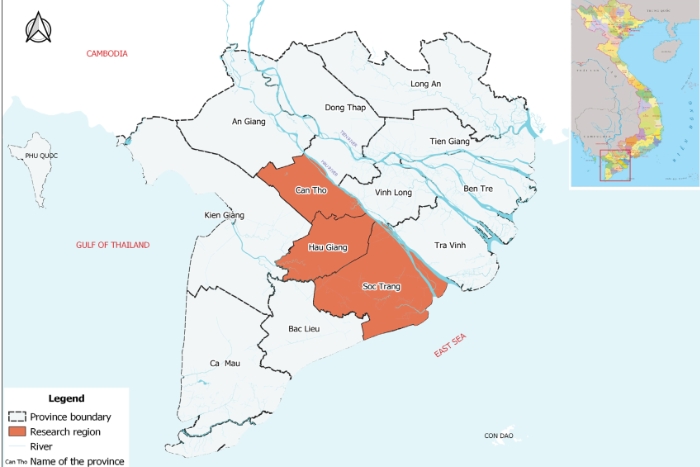
While these changes in Mekong Delta map affect governmental management, signage, and official naming, it is important to emphasize that tourism experiences, historical landmarks, and cultural identities remain largely unchanged. Travelers will still visit the same floating markets, pagodas, fruit orchards, and river towns they have always known.
Former provinces/cities | After reorganization | Top attractions for tourists |
Can Tho City + Hau Giang + Soc Trang | Can Tho City | Floating markets, river cruises, and urban services remain fully operational and unaffected |
Ben Tre + Vinh Long + Tra Vinh | Vinh Long | Coconut farms, eco-tours, and Khmer cultural sites continue as usual |
Dong Thap + Tien Giang | Dong Thap | Pagodas, wind farms, and seafood hubs remain key attractions |
An Giang + Kien Giang (Phu Quoc) | An Giang | Phu Quoc maintains its identity as a premier beach destination |
Ca Mau + parts of Bac Lieu | Ca Mau | Mangrove forests and Ca Mau Cape tourism unaffected |
Dong Nai + Binh Phuoc | Dong Nai | Lush landscapes, waterfalls, and cultural heritage sites, eco-tourism and adventure activities. |
Tay Ninh + Long An | Tay Ninh | Famous Cao Dai Holy See and the scenic Nui Ba, spiritual tourism and mountain trekking. |
In practical terms, travelers may notice changes in road signs, official maps, or booking platforms reflecting new administrative names in Mekong Delta map. However, travel infrastructure, tourist routes, and popular destinations operate exactly as before. The essence of the Mekong Delta, its lifestyle, landscapes, and cultural richness remains entirely intact.
-> Vietnam travel map
-> Vietnam weather by month and region
-> Vietnam or Thailande in March
-> Travel spots to avoid in Vietnam
-> What not to do in Vietnam?
2. Mekong Delta tourist map - What to do and see?
The Mekong Delta is best explored slowly, allowing time to absorb its rhythm and charm. Each province or locality offers a distinct character, making the region incredibly diverse despite its unified river-based lifestyle.
Can Tho stands as the heart of the Mekong delta map and is often the primary gateway for visitors. Its Cai Rang floating market, active in the early mornings, is a mesmerizing spectacle of boats piled high with tropical produce, where traders shout goods and negotiate prices on the water. Beyond the market, the city also offers riverside promenades, local night markets, and homestays that allow travelers to immerse themselves in delta life.
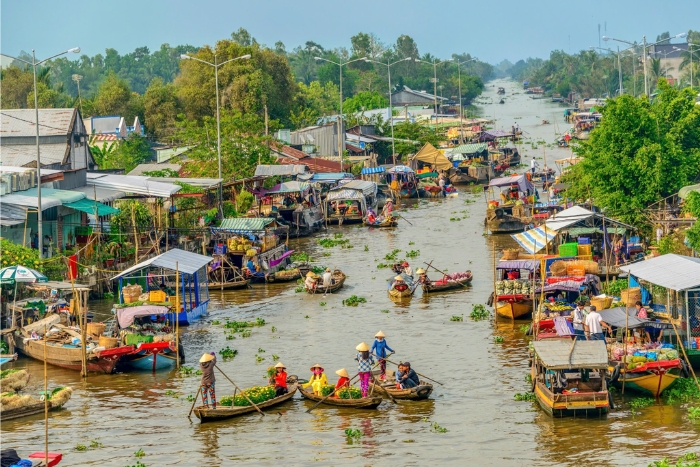
Moving deeper into the region, Ben Tre, famously known as "the land of coconuts", offers travelers a serene escape into Vietnam’s rural heart. Explore its winding canals by sampan, visit traditional coconut candy workshops, and cycle along quiet village paths shaded by palm trees and fruit gardens. The province also invites visitors to experience local homestays, taste fresh tropical produce, and enjoy hands-on eco-tourism activities, making it an ideal destination for those seeking authentic, off-the-beaten-path experiences in the Mekong Delta

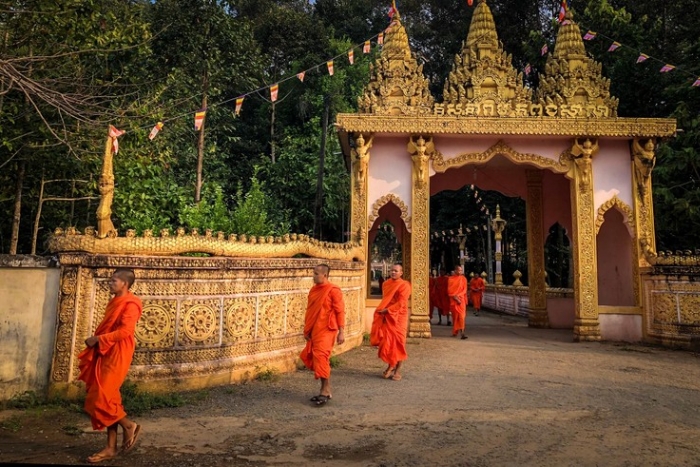
Further west, An Giang introduces a cultural contrast with its strong Cham and Khmer influences. The sacred Sam Mountain, Lady Xu Temple, and Tra Su Cajuput Forest provide a combination of spiritual, ecological, and scenic experiences, making it a unique stop for those seeking diversity beyond typical river tours.
Neighboring Vinh Long and Tien Giang embody the classic charm of the Mekong Delta. serve as classic representations of delta life, where floating villages, fruit orchards, and homestays offer immersive rural tourism. Staying overnight in these areas provides insight into traditional lifestyles, from family cooking sessions to night fishing.
Ca Mau, Vietnam’s southernmost tip, captivates adventurous travelers with its vast mangrove forests, vibrant national parks, and the iconic Ca Mau Cape, where land meets the open sea. Consider about southern Vietnam tours, Visitors can explore floating villages, witness stunning sunsets over the waterways, and experience the region’s unique culture and seafood traditions, making it a truly off-the-beaten-path destination in southern Vietnam.
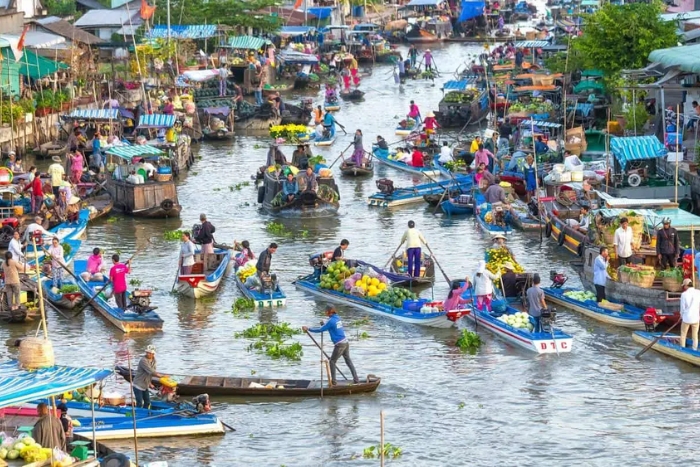
Discover Mekong delta tourist map, together, these diverse provinces form a richly layered mosaic that rewards slow, thoughtful exploration, ensuring that every traveler leaves the Mekong Delta with a deeper connection to its land, its people, and its timeless river life.
3. When is the best time to visit Mekong Delta?
Along with using a Mekong Delta map to plan your trip, another important question is: when is the best time to visit the Mekong Delta? This region enjoys a warm tropical climate with two distinct seasons: the dry season and the rainy season, each offering its own unique appeal.
- The dry season, from December to April in Vietnam, is considered the most comfortable time to visit. With lower humidity, clear skies, and minimal rainfall, the weather is perfect for boat tours, cycling trips, and long days of outdoor exploration.
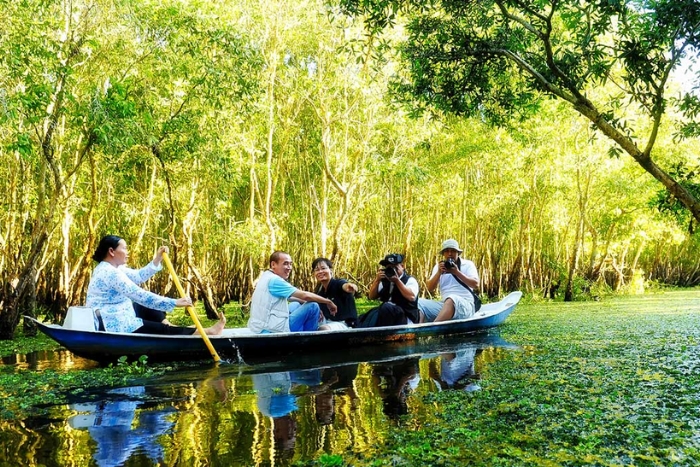
- From May to November, the rainy season transforms the delta into a vibrant green landscape. Although tropical showers are frequent, they are typically brief and refreshing, creating an ideal environment for fruit lovers. This is peak harvest time for local orchards, where travelers can taste fresh durian, rambutan, longan, and mangosteen right from the source.
What to do and see in Mekong delta? For visitors seeking deeper cultural connection, planning a trip around major festivals such as Ok Om Bok or Chol Chnam Thmay offers a rare opportunity to experience the spiritual traditions and communal life of the Khmer people.
-> How to get around Vietnam on a budget?
-> 2-week trip in Vietnam
-> 4 days in Mekong delta
4. How to get to the Mekong Delta ?
Access to the Mekong Delta is both convenient and diverse. Reaching the Mekong Delta is both convenient and flexible, depending on travel style and budget travel Vietnam. Most visitors begin their journey from Ho Chi Minh City, located approximately 2-4 hours away from the central delta region.
- Buses operate frequently and serve almost every provincial town, offering an affordable and reliable option.
- For a more comfortable journey, private cars or limousine vans provide direct transfers with air-conditioning and fewer stops.
- Can Tho International Airport serves domestic flights from Hanoi, Da Nang, and other major cities, making it an efficient gateway for travelers wishing to bypass Ho Chi Minh City entirely.
- Once inside the delta, local transportation such as boats, ferries, and motorbikes allows travelers to move between canals, villages, and markets seamlessly, adding to the authenticity of the experience.
5. What to eat in the Mekong Delta ?
What to eat in Mekong Delta? This region is a paradise for food lovers, offering dishes deeply rooted in local ingredients and river-based living. Unlike northern or central Vietnamese cuisine, food here is slightly sweeter, richer in coconut milk, and generously flavored with herbs.
- One must-try dish is Hu Tieu My Tho, a flavorful noodle soup characterized by its clear bone broth, tender pork slices, shrimp, and crunchy fried garlic. This dish reflects the harmonious balance of sweet and savory typical of southern cuisine.
- Lẩu mắm, a fermented fish hotpot, represents the soul of Mekong cuisine. Made with mắm cá linh or cá sặc, it combines seafood, pork, eggplant, and various vegetables in a rich, aromatic broth that perfectly balances pungency and depth.
- Another signature dish is Ca Loc Nuong Trui, grilled snakehead fish prepared over open flames without seasoning, served with rice paper, herbs, and tangy tamarind sauce. This dish encapsulates the rustic authenticity of delta life.
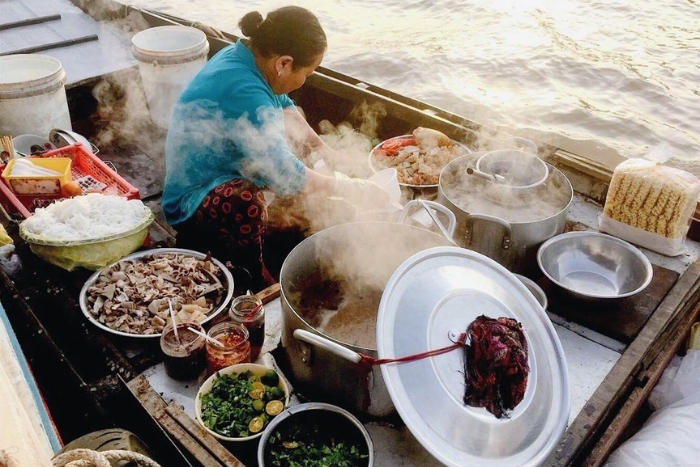
- Bánh xèo miền Tây is a large, crispy savory pancake filled with shrimp, pork, and bean sprouts, typically wrapped in fresh rice paper with wild herbs and dipped in tangy fish sauce. Its size and aroma reflect the generous nature of delta hospitality.
- Coconut-based desserts from Ben Tre such as coconut jelly, coconut candy, and sticky rice cooked in coconut milk offer a delicate sweetness that perfectly complements savory meals.
- Fresh tropical fruits including rambutan, longan, mangosteen, and durian are widely available, especially when visiting orchard gardens during harvest season, where visitors can pick and enjoy fruits directly from the tree.
Come to Mekong delta Vietnam, each dish is not merely food, but a reflection of river life, seasonal abundance, and centuries-old culinary tradition.
6. Where to stay in Mekong Delta?
Accommodation in the Mekong Delta ranges from simple homestays to boutique eco-resorts, catering to different travel styles.
- For authentic immersion, homestays in Ben Tre, Vinh Long, and Can Tho offer travelers the chance to stay with local families, enjoy home-cooked meals, and participate in daily village life.
- Eco-lodges and riverside resorts provide comfort combined with natural scenery, often featuring private gardens, river-view balconies, and guided tours.
- Those seeking modern amenities can find well-equipped hotels in Can Tho or Phu Quoc, where international service standards meet local charm.
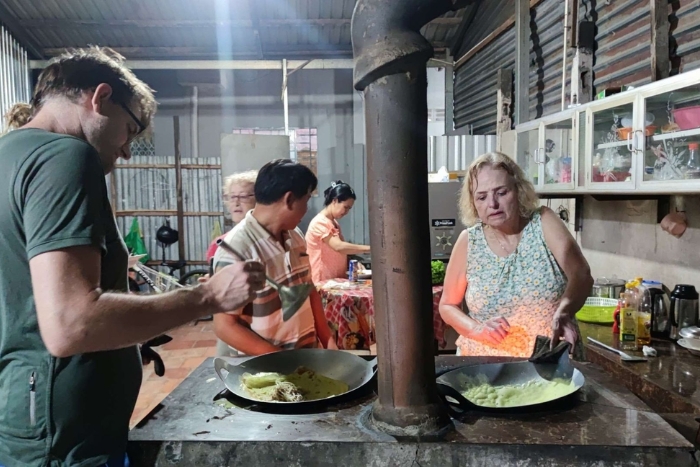
Choosing accommodation by the river enhances the overall experience, allowing guests to wake up to the calming sounds of flowing water and nearby village activity.
Mekong Delta tourist map - Check out recommended Mekong travel itineraries to guide your trip and discover the region’s highlights!
--> 3-day Mekong Delta itinerary
On day one, travel from Ho Chi Minh City to My Tho and Ben Tre, combining boat rides through the Four Islands with coconut workshops and village cycling, before staying overnight at a homestay. Day two continues to Can Tho for a relaxed riverside afternoon and evening, followed by an early morning Cái Răng Floating Market tour on day three before returning to Ho Chi Minh City.
--> 5-day Mekong Delta experience
This extended journey deepens cultural and ecological discovery by adding Vinh Long, Tram Chim National Park in Đong Thap, and Tra Su cajuput forest in An Giang. Visitors experience pottery villages, birdwatching, wetland cruises, and tranquil overnight stays in eco-lodges, offering a more layered understanding of the region.
---> Maybe you're interested in:
-> 4 days in Mekong Delta
-> Mekong delta one week itinerary
-> South Vietnam 8 days 7 nights
7. Travel to the Mekong Delta - What should you notice ?
Traveling to the Mekong Delta requires a mindset of patience and openness. Life here moves slowly, and understanding this rhythm is key to a fulfilling experience. Respect local customs, especially when visiting pagodas or rural homes, and dress modestly in religious spaces.
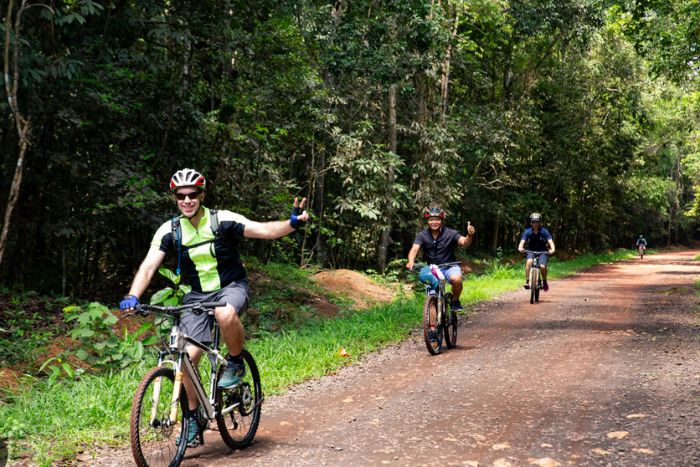
- Plan your itinerary carefully and allow enough time for slow travel, as the Mekong Delta is best experienced through unhurried boat rides, village visits, and local markets rather than rushing from place to place.
- Early mornings are ideal for floating markets and river tours, so waking up before sunrise often pays off with the most authentic scenes. Hydration, sun protection, and light clothing are essential due to the tropical climate.
- Cash is still widely used in rural areas, so travelers should carry small denominations. While basic English is spoken in tourist areas, learning a few Vietnamese phrases enhances interaction and goodwill.
- Respect local customs by asking permission before taking photos, especially of people, homes, or places of worship, as this shows cultural sensitivity and builds positive interactions.
- Finally, avoid over-scheduling. The true beauty of the Mekong Delta lies in its unpredictability, a spontaneous boat ride, a friendly local conversation, or an unplanned fruit tasting often becomes the most memorable highlight.
The Mekong Delta is not just a place to visit, it’s an experience defined by water, culture, and local traditions. A Mekong Delta tourist map helps travelers navigate its lively floating markets, tranquil canals, and charming villages. For those wondering what to do in Mekong Delta, options range from river cruises and cultural tours to tasting authentic southern cuisine. Thoughtful Mekong Delta travel lets you connect with the region’s enduring spirit, where every canal tells a story and every visit reveals the unique soul of Vietnam’s rice bowl.
-> Family trips to Vietnam
-> Vietnam travel tour packages
-> Vietnam trip 2 weeks
-> Vietnam day trips
-> Vietnam Vacation 13 days 12 nights
-> Vietnam Vacation 18 days
-> 15-day travel itinerary in Vietnam
-> Vietnam holiday tour package 21 days
-> Vietnam Packages tours
Visit Mekong delta Vietnam, visitors can join boat tours through narrow canals, cycle through peaceful villages, visit coconut workshops, and experience homestays with local families. These activities provide an authentic understanding of daily life along the river.
Absolutely. Many Mekong delta tours, boat trips, and homestays are suitable for families, with opportunities for hands-on experiences like fruit picking, paddle boat rides, and visits to small animal farms. Take Mekong delta package tour, safety precautions, especially near waterways, are recommended for children.
A Vietnam 21-day itinerary gives the flexibility to add northern highlands like Ha Giang, explore remote islands such as Con Dao, visit multiple Mekong Delta provinces, and include extended stays in culturally rich towns like Hoi An or Hue. It also allows time for slower, immersive experiences such as homestays, trekking in North Vietnam, or river cruises.
Related travel guide
Other similar articles


CUSTOMIZABLE BY LOCAL EXPERTS
Personalized trip at the original price!

REFUND GUARANTEE
We believe in our work and promise to give you money back.

GOOD PRICE / QUALITY
95% satisfied more than expected!

24/7 LOCAL SUPPORT
We are always available online to provide assistance at any time.

Most read articles


Autour Asia is highly recommended on
Embracing the mission of "Satisfied more than expected" and providing authentic experiences, we have received numerous recommendations on reputable travel forums: