Customize this tour
2 weeks in Vietnam 3 weeks in Vietnam 15 days in Vietnam
• 2,167 views Phuong Tran

How Many Days In Ha Giang ? Best Duration And Itinerary

I. Why Is Ha Giang worth visiting in Vietnam ?

Nestled in the northernmost towers of the country, Ha Giang is far from your typical tourist stop. While places like Sapa or Halong Bay attract massive crowds, this remote province offers an untouched, raw beauty that remains deeply authentic. So, what makes this destination so special? For most travelers, the ultimate highlight is conquering the world-famous Ha Giang Loop. Navigating this legendary Vietnam motorbike loop takes you through the Dong Van Karst Plateau Geopark, a UNESCO-recognized wonder filled with jaw-dropping limestone peaks, deep canyons, and winding mountain passes like the iconic Ma Pi Leng.

Why Is Ha Giang worth visiting in Vietnam ?

Beyond the dramatic landscapes, this region is a vibrant cultural mosaic. It is home to over 20 ethnic minority groups, including the Hmong, Tay, and Dao people. As you follow a proper Ha Giang travel guide, you will see locals in colorful traditional attire, terraced rice fields carving into the mountainsides, and a lifestyle that has remained unchanged for centuries. Whether you are looking for the best time to visit Ha Giang to see the buckwheat flowers or trying to figure out how long to spend in Ha Giang for an unforgettable adventure, one thing is certain: this destination is absolutely worth every mile.

II. How Many Days in Ha Giang? Best Duration for Your Trip

Finding the perfect answer to how many days to spend in Ha Giang largely depends on your travel style, driving experience, and how much time you have in Vietnam. Because the mountain roads are winding and full of sharp curves, the pace of your journey will dictate not just your safety, but how much of the local culture and scenery you can actually absorb. Let's break down the most popular timeframes to help you choose the right duration.

1. Is 2 days enough for the Ha Giang Loop ?

The short answer is: It is possible, but highly not recommended. A 2-day itinerary in Ha Giang forces you to spend between 6 to 8 hours on a motorbike each day just to cover the distance. This leaves very little time for resting, taking photos, or fully enjoying the scenery. However, if you are strictly limited on time and still want to experience the thrill, here is how the express how long to spend in Ha Giang 2-day route looks:

  • Day 1: Ha Giang - Quan Ba - Yen Minh - Dong Van
  • Day 2: Dong Van - Ma Pi Leng Pass - Meo Vac - Ha Giang 

To pull off this compressed Ha Giang Loop trip, you will need to leave Ha Giang City very early on day 1, driving through the scenic Quan Ba Heaven Gate and the pine forests of Yen Minh. After tackling the famous Tham Ma Pass, you will spend the night in Dong Van Old Quarter. On day 2, the rush continues as you wake up early to conquer the majestic Ma Pi Leng Pass and look down at the deep Tu San Canyon. After passing through Meo Vac, you will face a long, grueling drive back to Ha Giang City to catch your overnight bus.

Quan Ba Heaven Gate

Ultimately, this how long to spend in Ha Giang option forces you to stay on a motorbike for 6 to 8 hours a day. It leaves virtually no time for resting, interacting with locals, or dealing with unexpected delays like bad weather or flat tires. If you want a safe and genuinely enjoyable adventure, any reliable Ha Giang travel guide will advise you to skip the 2-day rush and opt for a longer stay.

If you ask any backpacker about their trip, they will likely tell you that a Ha Giang 3 days itinerary is the standard benchmark. This duration is the most popular choice for travelers who have a tight schedule in Vietnam but still want to see the core highlights of the region. Here is a quick breakdown of this classic route:

  • Day 1: Ha Giang City - Quan Ba - Du Gia (or Yen Minh)
  • Day 2: Yen Minh/Du Gia - Hmong King's Palace - Pao's House (Pou Lo) - Dong Van
  • Day 3: Dong Van - Ma Pi Leng Pass - Nho Que River - Meo Vac - Return to Ha Giang City

Your Ha Giang loop itinerary kicks off with a climb up the steep roads to the Quan Ba Heaven Gate and Twin Mountains, leading you deeper into the highlands toward either the peaceful valley of Yen Minh or the waterfall oasis of Du Gia. Day 2 shifts the focus toward rich history and culture. You will explore the century-old Hmong King's Palace (Dinh Vua Meo) and visit the authentic cultural village of Pou Lo (famous as Pao's House in Vietnamese cinema), before heading to Dong Van to enjoy its lively night market.

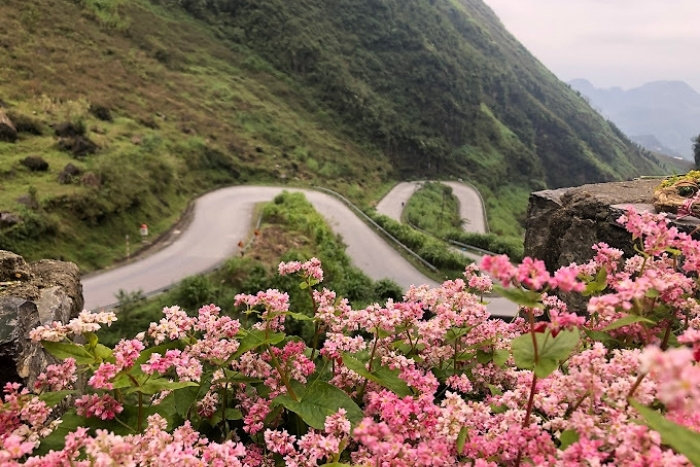
Ma Pi Leng Pass

Finally, day 3 saves the best for last. You will conquer the breathtaking Ma Pi Leng Pass and head down to the emerald waters of the Nho Que River for a boat ride through Tu San Canyon. After a quick stop in Meo Vac, you will make the return journey to Ha Giang City. This option offers a fantastic balance of adventure and sightseeing. While it still requires quite a bit of driving each day, it gives you enough breathing room to stop for photos, enjoy local meals, and tick off the main bucket-list spots. Just keep in mind that checking the best time to visit Ha Giang is crucial for a 3-day trip, as clear weather will ensure you don't miss out on those iconic panoramic views due to heavy fog.

3. Ha Giang 4 days Itinerary - The ideal choice without rushing

Ask anyone who has ridden these roads, and they will tell you that a Ha Giang 4 days itinerary is the absolute sweet spot. It is the perfect amount of time to complete the full loop, giving you enough breathing room to slow down, explore hidden spots, and avoid the physical exhaustion of long, rushed riding days. Here is the recommended route:

  • Day 1: Ha Giang City - Quan Ba - Yen Minh
  • Day 2: Yen Minh - Hmong King's Palace - Lung Cu Flag Tower - Dong Van
  • Day 3: Dong Van - Ma Pi Leng Pass - Nho Que River - Meo Vac - Du Gia
  • Day 4: Du Gia (Waterfalls) - Mau Due - Return to Ha Giang City

On the first day, you can afford a relaxed start from the city. After climbing up the Quan Ba Heaven Gate, you have plenty of time to stop for coffee, admire the Twin Mountains, and enjoy an easy afternoon cruise into the pine forests of Yen Minh without any stress.  Day 2 takes you deeper into the rugged landscapes. Breaking the trip into four days means you don't have to choose between destinations; you can easily visit the historic Hmong King's Palace and then drive all the way north to the Lung Cu Flag Tower right at the Chinese border. You’ll roll into Dong Van early enough to enjoy a relaxed dinner.

Du Gia Village

Day 3 is arguably the best day of the entire Ha Giang loop itinerary. You’ll tackle the dramatic Ma Pi Leng Pass, hop on a boat along the emerald Nho Que River, and then head south through Meo Vac. The highlight here is the afternoon drive to Du Gia, a peaceful, remote village surrounded by rice paddies where you can stay at a local homestay. On the last day of your Ha Giang trip, you can spend the morning swimming at the famous Du Gia waterfall before packing up. The final leg takes you through the wild, lunar-like landscapes of Mau Due as you make your way back to Ha Giang City. If your schedule allows it, choose this option. It lowers your daily riding time to a comfortable 3 to 4 hours, leaving half your day open for actual exploring, trekking, and taking in the culture. It turns the journey from a grueling endurance test into a genuine, unforgettable holiday.

4. Spending 5 Days or More in Ha Giang - A deeper experience

For slow travelers, photographers, and anyone looking to truly connect with the region, spending 5 days or more is the ultimate way to go. This extended timeline transforms the famous loop from a mere driving route into an immersive cultural journey. Here is how you can stretch the adventure into a perfect 5-day itinerary:

  • Day 1: Ha Giang City - Quan Ba - Yen Minh
  • Day 2: Yen Minh - Hmong King's Palace - Lung Cu Flag Tower - Dong Van
  • Day 3: Dong Van - Sky Path Hike – Ma Pi Leng Pass - Overnight in Meo Vac
  • Day 4: Meo Vac - Kayaking down the Nho Que River - Mau Due Road - Du Gia Village
  • Day 5: Du Gia (Swimming at the waterfalls) - Local market - Return to Ha Giang City

While the first two days cover the essential gateway stops like the Hmong King's Palace and Lung Cu Flag Tower, having five days completely changes your pace. You are no longer just ticking off a checklist; you actually have time to turn off the engine and explore. The standout highlight happens on Day 3 with the Sky Path Hike. Instead of just stopping for a quick photo on the side of Ma Pi Leng Pass like most tourists, you get to lace up your shoes and walk the narrow, thrilling cliffside trails high above the canyon. Spending the night in Meo Vac afterwards lets you experience a quiet mountain town after the day-trippers have left.

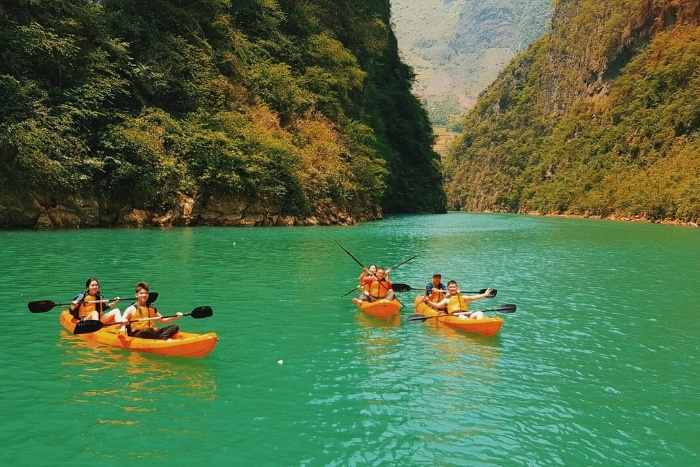
Kayaking down the Nho Que River

Day 4 lets you experience the river properly. Instead of a crowded motorboat tour, you can actually get into a kayak, paddle at your own pace, and look up at the massive limestone walls of Tu San Canyon from the water level. The ride down to Du Gia through the backcountry roads of Mau Due feels much more remote when you aren't rushing to beat sunset. By day 5, there’s no morning rush. You can easily spend hours hanging out with local families at a vibrant weekend market or taking a long, unhurried swim at the Du Gia waterfalls before making the final drive back to the city. If you want to do more than just stare at the mountains from a bike saddle, this is how you get a deeper experience in Ha Giang trip. It allows you to mix heavy riding with trekking, water sports, and village life. It’s the least stressful option and ensures you return home with stories, not just photos.

III. Best things to do in Ha Giang during your trip

No matter how many days to spend in Ha Giang you eventually choose, certain experiences simply cannot be missed. Beyond just driving past the scenery, here are the absolute best things to do to truly capture the spirit of the rocky plateau:

  • Conquer the majestic Ma Pi Leng Pass: Often called the king of mountain passes in Vietnam, riding along this cliffside road is an adrenaline rush like no other. The road clings to towering limestone walls, offering endless panoramic views of the deep valley below.
  • Kayak the Nho Que River: Looking at the river from the pass is one thing, but heading down into the Tu San Canyon is another. Taking a boat ride or paddling a kayak on the emerald-green waters while looking up at the highest canyon cliffs in Southeast Asia is an unforgettable perspective.
  • Hike the hidden Skypath: For those with a bit more time on their Ha Giang loop itinerary, the Sky Path is a hidden gem. This narrow, walking-only trail winds high above the main road, offering a thrilling and peaceful trek far away from the motorbike traffic.
  • Step back in time at the Hmong King’s Palace: Located in Sa Phin valley, this century-old mansion reveals the fascinating history of the local opium king. The architecture is a beautiful, weathered blend of traditional Hmong, Chinese, and French styles, built entirely of stone, wood, and terracotta tiles.
  • Immerse yourself in a local weekend market: If you manage to time your trip right, visiting the Sunday markets in Dong Van or Meo Vac is a must. These aren't tourist traps; they are vibrant social hubs where ethnic minority families in colorful traditional clothing gather to trade cattle, sell handmade textiles.
  • Taste the authentic mountain llavors: You cannot fully experience the highlands without trying the local food: Thắng Cố (a traditional rustic stew), comforting bowls of Cháo Ấu Tẩu (bitter nightshade porridge), or grilled buffalo meat, Bánh Cuốn Trứng (steamed rice rolls with an egg inside, served in a hot, savory bone broth).

IV. Essential tips for planning your Ha Giang Loop

To ensure your adventure is safe, legal, and stress-free, preparing a few logistics ahead of time is crucial. No matter how long to spend in Ha Giang, keep these essential insider tips in mind before you kickstart your engine:

  • Best time to go (Weather): September to November (golden rice and flowers) or March to May (clear, sunny weather) are ideal. Avoid the rainy season from June to August if you are not an experienced motorcyclist.
  • Transportation options: If you are an experienced driver, you can rent a motorbike in Ha Giang (125cc semi-automatic or manual minimum, no automatic scooters). Otherwise, the safest and most stress-free option is to hire an Easy Rider.
  • Licenses and regulations: Bring your national driver's license and an International Driving Permit (IDP). Don't forget to pick up the compulsory border permit for Ha Giang, which costs around $10 USD and can be easily arranged through your rental company or hotel.
  • Road safety: Ride slowly, keeping an average speed of 30 to 40 km/h. Make it a habit to honk your horn at every blind corner to warn trucks that often cut into your lane.
  • Luggage management: Leave your large suitcase at your hostel in Ha Giang City. Travel light on the loop with just a small 20 to 30L backpack strapped securely to the back of your motorcycle.

Ultimately, there is no single answer to how many days to spend in Ha Giang, but choosing a 3 or 4 days itinerary strikes the perfect balance for most travelers. It gives you just enough time to conquer the legendary Ha Giang Loop, dive into the rich local culture, and see the big highlights without feeling completely exhausted. If you have more time, a longer stay will reward you with a much deeper, slower experience. For more expert trip planning, let Autour Asia be your ultimate Vietnam travel guide to help you navigate the breathtaking roads of the Far North safely and unforgettable !

5.0
3 reviews
Share this article
Author:Phuong Tran
English travel marketing expert at Autour Asia. ✅ Content verified by: Tran Ba Duy Founder of Autour Asia, with over 20 years of experience in inbound tourism for English-speaking, European, and North American travelers. 🌏 Why trust this travel guide? ✔️ Based on real tours organized by our local team across Vietnam, Cambodia, Thailand, Laos, Bali, and Myanmar. ✔️ Regularly updated to reflect the latest travel conditions, seasonal changes, prices, and local regulations. ✔️ More than 25,000 travelers served, 8,000 tailor-made tours successfully organized, and 1,500 five-star reviews from international travelers. ✔️ Written by a team of travel experts based in Vietnam, with in-depth local knowledge and first-hand expertise across Indochina's top destinations.

Leave a comment

Your email address will not be published.

Related articles

Visiting Phan Thiet Mui Ne In November - Everything You Need To Know
14 October 2026 196 views

Visiting Phan Thiet Mui Ne In November - Everything You Need To Know

Nhi Nguyen Useful infos
Phan Thiet, a coastal city in Binh Thuan Province, is best known for Mui Ne, an internationally renowned seaside destination. With its beaches, fishing villages, and desert-like sand dunes, the region offers a diverse range of landscapes rarely found elsewhere in Southeast Asia. In November, temperatures remain pleasant for exploring the coast, although occasional showers are still possible. Visiting Phan Thiet Mui Ne in November requires a little preparation to make the most of your stay. This complete guide covers the weather, must-see attractions, transportation options, and practical tips to help you plan your trip to Vietnam in November.
When Is The Best Time To Visit Beaches In Vietnam?
14 October 2026 391 views

When Is The Best Time To Visit Beaches In Vietnam?

Ngan Ha Useful infos
Vie​tnam’s​​​​​ ​be​aches are best enjoye​d at different time​s of the year, dependi​n​g on the region. From the turquoise ​waters of the Sout​h to the long stretches​ of white sand in th​e Central region and tropical islands,​ ​each area has its own climate patterns. To better understand when to visit Vietnam , it is ​im​​​​​​​​​porta​nt to con​sider the weather​ conditions in eac​h destination. T​he best time to visit beaches ​in Vietn ​​​​​​am de​pends on ​​re​gion you​ choo​se as well as the acti​vities you have planned. The ​ bes​t time to s​wi​m in Vie​tnam also ​varies accor​ding to​ rainfall, water temperature and sea conditions. U​nderstanding the Vie ​ tnam beach season helps​ you choose desti​nations that match ​your t​ravel dates and enjoy th​e coastline in good ​conditions.
Where To Find The Best Agency For Thailand Farm Tours?
14 October 2026 463 views

Where To Find The Best Agency For Thailand Farm Tours?

Noah Useful infos
Discovering Thailand through its rice fields, plantations, and rural villages offers a different way to travel, far from traditional tourist circuits. But how can you choose the best agency for Thailand farm tours to enjoy authentic experiences with local communities? Several tour operators offer trips combining agriculture, gastronomy, and encounters with producers. Among them, Autour Asia is an option for travelers who want to personalize their itinerary. Known as Vietnam travel agency - Autour Asia, the company also offers tailor-made trips to several countries in Southeast Asia. With the local travel agency in Thailand - Autour Asia, travelers can explore a trip designed around their interests. Here are five organizations worth knowing, their distinctive features, and the essential criteria for planning a successful agricultural tour in Thailand.
Guide To Vietnam’s Pre-Arrival Form 2026 (72 Hours Before Arrival)
14 October 2026 259 views

Guide To Vietnam’s Pre-Arrival Form 2026 (72 Hours Before Arrival)

Nguyen Phuong Useful infos
Planning a trip to Vietnam ? Before packing your bags, take a few minutes to check the latest entry requirements and prepare the documents you may need at the airport. Vietnam’s Pre-Arrival Information (PAI) system allows international travellers to submit selected personal, visa and travel details online before arriving in the country. After a successful submission, the system generates a QR code that travellers can save on their phones or print for use during immigration procedures. Although the online declaration is designed to help make arrival procedures smoother, travellers should understand when it applies, how to complete it correctly and which documents they still need to enter Vietnam. In this practical guide, you will discover where to access the official PAI portal, what information to prepare, how to complete the declaration step by step, how to correct common mistakes and what to do when you arrive at the airport. Important : Vietnam’s PAI arrangements may change as the system is implemented. Check the latest official guidance before departure. The PAI declaration is not a visa application and does not replace any visa or entry permission you may need.
Vietnam Or Thailand - Which Destination To Choose For A Safe Trip ?
14 October 2026 474 views

Vietnam Or Thailand - Which Destination To Choose For A Safe Trip ?

Phuong Thao Useful infos
With its exotic landscapes, fascinating cultures and diverse experiences,‎‎ Vietnam and Thailand are among the most popular destinations in Southeast Asia.‎‎ However,‎‎ safety remains an important criterion when planning your trip. So, how can you choose Vietnam or Thailand for a safe trip depending on the way you travel‎‎ ? And is Vietnam safer than Thailand ‎‎ ? Each destination has its own characteristics and points to consider. In this article,‎‎ Autour Asia helps you compare Vietnam and Thailand to better understand their differences and choose the destination that meets your expectations for your next trip to Asia.
Visiting Hue In November - Everything You Need To Know
13 October 2026 124 views

Visiting Hue In November - Everything You Need To Know

Nhi Nguyen Useful infos
Planning a trip to Hue in November requires a little more flexibility than at other times of the year. Visiting Hue in November means experiencing the rainy season in central Vietnam, with prolonged showers and a risk of flooding. However, this period can also be an opportunity to explore the former imperial capital’s royal heritage, pagodas and renowned cuisine in a quieter atmosphere. The key is to choose your activities carefully, prepare alternative plans and check the weather conditions before setting out.
What To Know About Blowing Your Nose In Cambodia?
13 October 2026 428 views

What To Know About Blowing Your Nose In Cambodia?

Ngan Ha Useful infos
When‎ travelling‎ in Cambodia, some everyday‎ habits may raise‎ questions about local‎ customs. Is blowing‎ your‎ nose in public considered polite?‎ How should you‎ behave in restaurants,‎ on public transport‎ or‎ during a visit? These small details‎ matter when you‎ want to respect the local‎ culture. Discover‎‎ how to manage blowing your nose‎ in Cambodia discreetly, along with practical‎ tips on using‎ tissues during your trip. Autour Asia, Cambodia travel agency , helps you‎ discover local‎ customs with advice tailored to‎ travellers. From Cambodia travel etiquette to‎ personal hygiene‎‎ and everyday situations, a‎ few simple guidelines‎ can make your journey‎ more comfortable.‎‎ In Phnom Penh, Siem Reap‎ or Kampot, understanding‎ local customs helps you‎ avoid awkward‎‎ moments while making the most‎ of your stay.
Is It Rude To Blow Your Nose In Laos?
10 October 2026 467 views

Is It Rude To Blow Your Nose In Laos?

Nhi Nguyen Useful infos
Blow your nose in Laos is not necessarily considered rude, but it is best to do so discreetly, especially in quiet places or during meals. If you have a cold, use a clean tissue and avoid blowing your nose loudly in public. In temples and other places of worship, respect the peaceful atmosphere and local customs. If you need to blow your nose frequently, step away from others for a moment whenever possible. Finally, dispose of used tissues in a rubbish bin. These simple habits will help you observe good manners during your trip to Laos.
Hanoi, Vietnam
Satisfied more than expected
Phone & WhatsApp+84 971 33 77 08
Hanoi, Vietnam
Hanoi, Vietnam
MAY Place, 38/11 Hoang Cau, O Cho Dua Ward, Hanoi
Ho Chi Minh City, Vietnam
103/2 Tran Thai Tong, Tan Son Ward, Ho Chi Minh City
Siem Reap, Cambodia
007 Merry, Svay Dangkhum
Contact us WhatsApp Customize this tour