Cambodia Travel Advice - Everything You Need To Know Before Your Trip
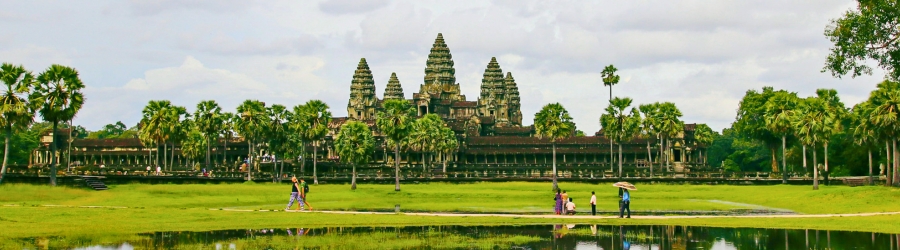
Welcome to the Kingdom of Wonder ! Cambodia is a captivating destination where ancient temples blend seamlessly with vibrant daily life and deep-rooted cultural traditions. For anyone planning to travel to Cambodia, understanding a few essentials in advance can make a real difference. This guide brings together practical Cambodia travel advice to help you navigate your journey with ease from the very beginning. From entry requirements to local etiquette, there are several important things to know before going to Cambodia that can help you avoid common mistakes and adjust more comfortably to the local rhythm. With insights backed by Autour Asia, every step of the trip can feel more prepared, informed, and easier to enjoy. So, what should you know before you go ?
Everything you need to know before your trip to Cambodia
I. How to prepare for a trip to Cambodia
1. Entry requirements for Cambodia
Getting the entry requirements right from the beginning is a key part of how to prepare for a trip to Cambodia, especially for first-time visitors. The country currently offers two main visa types :
- Tourist Visa (T-class) : Valid for 30 days and extendable once for another 30 days
- Ordinary Visa (E-class) : Also valid for 30 days initially, with flexible long-term extensions depending on purpose
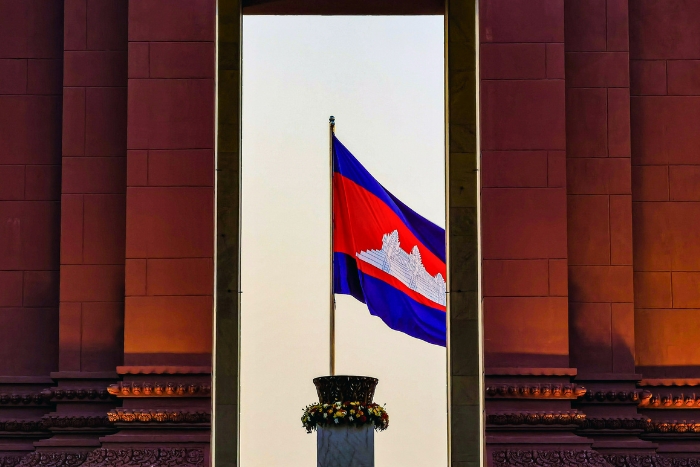
When it comes to application methods, Cambodia keeps things relatively simple:
- e-Visa : Apply online (around $30, 3-4 days processing). It is recommended to print two copies - one for arrival and one for departure.
- Visa on arrival : Available at airports and most land borders. Requires a valid passport, a passport photo, and cash payment (USD).
- Embassy Visa : Required for certain nationalities and must be arranged in advance
You can apply for an e-Visa online here before your trip : https://www.evisa.gov.kh/
Your passport must be valid for at least six months from your entry date, in good condition, and include at least one blank page for the visa stamp.
In addition, travelers arriving via Phnom Penh or Siem Reap airports are required to complete the e-Arrival Card (CeA) online within seven days before arrival. Overstaying a visa results in fines of around $10 per day and may lead to more serious penalties if prolonged. Taking a few minutes to prepare these essentials properly will make it much easier to travel to Cambodia without unexpected delays or complications.
For more details : Visa Cambodia
2. Health and safety in Cambodia
A well-prepared Cambodia travel guide goes beyond logistics - it also helps travelers stay healthy and feel secure throughout the journey. Cambodia is generally safe and welcoming, but a bit of preparation can make the experience much more comfortable.
Essential health precautions :
- Pre-travel check-up : Visit a doctor or travel clinic before departure
- Vaccinations : Ensure routine vaccines and options like Hepatitis A or Typhoid are up to date
- Water safety: Drink only bottled or filtered water; avoid tap water even for brushing teeth
- Food safety: Choose fresh, hot meals and start with simple dishes if needed
- Sun protection : Use high-SPF sunscreen, wear a hat, and take breaks from the heat
- Mosquito protection : Use repellent, especially at dusk
Safety and security tips :
- Petty theft : Keep bags close and avoid using phones near traffic
- Night safety : Stick to well-lit areas and avoid walking alone late at night
- Transport : Agree on prices in advance or use ride-hailing apps
- Traffic awareness : Roads can be chaotic, so stay alert - especially with children
- Emergency numbers : Police 117, Fire 118, Ambulance 119
With simple precautions and awareness, travelers can feel confident and relaxed - one of the key things to know before going to Cambodia.
Read more :
- Vaccines for Cambodia travel
- How To Buy Approved Medications Online In Cambodia
3. Best time to travel to Cambodia
Choosing the right time to visit is a key part of any Cambodia travel advice, as weather can strongly influence your experience.
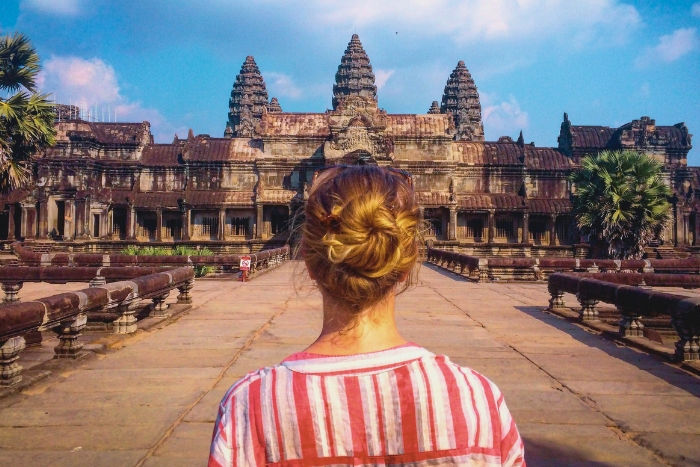
- Dry Season (November to April) : The best time for most travelers, with sunny skies and lower humidity, ideal for exploring places like Angkor Wat. November to February are the most comfortable months, while March and April can be very hot, often reaching 40°C. It’s also peak season, so expect more crowds and higher prices.
- Rainy Season (May to October) : Short but heavy afternoon showers are common, but it rarely rains all day. The landscape becomes lush and green, tourist sites are quieter, and prices are lower. September and October usually have the heaviest rain, which may affect travel in rural areas.
- Best time by travel style : November to February is ideal for first-time visitors, while late October or early June offers fewer crowds and a more relaxed pace. Visiting in April also means experiencing Khmer New Year, though heat and travel demand are high.
Planning your timing carefully is one of the most practical Cambodia travel tips for a smooth and enjoyable journey.
Explore more : Best time to visit Cambodia
4. Budget and duration of a trip to Cambodia
Planning your budget and trip length early is one of the most useful Cambodia travel tips, as Cambodia can suit both low-cost and more comfortable travel styles.
Daily budget guide :
- Budget travel ($20-30/day) : Ideal for backpackers staying in hostels or basic guesthouses, eating street food under $2, and using local transport like buses or shared tuk-tuks.
- Mid-range ($40-70/day) : A comfortable option with private rooms, air conditioning, and meals at cafés or local restaurants, plus budget for activities and entrance fees.
- Higher-end ($100+/day) : More comfort and flexibility, including boutique hotels, private guides, and convenient transport such as domestic flights.
How long should you stay ?
- Short trip (3-4 days) : Focus on Siem Reap and Angkor Wat. Quick but still rewarding.
- Medium trip (7-10 days) : The most popular choice, combining Siem Reap and Phnom Penh, with time for a coastal stop like Kampot or Kep.
- Long trip (2-3 weeks) : Ideal for deeper exploration, including places like Battambang, Mondulkiri, or nearby islands.
Even a short trip can be memorable, but giving yourself more time allows for a more complete and relaxed experience.
For a deeper look, explore this :
- Cost of traveling to Cambodia
- How much does it cost per day in Cambodia
- Cambodia travel cheap or expensive for 2 weeks
5. What to pack for Cambodia
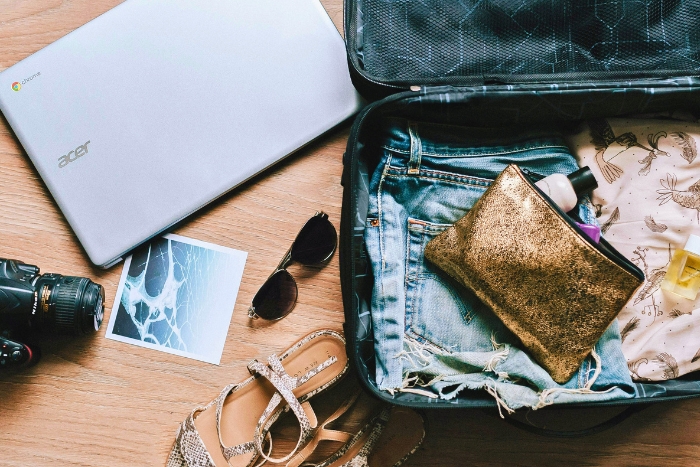
Packing smartly is an important part of any Cambodia travel advice, especially in a hot and humid climate. Lightweight, loose-fitting clothes made from breathable cotton or linen keep you comfortable, while light colors reflect the sun. Cambodia is generally casual, but modest clothing is required when visiting temples - shoulders and knees should be covered. Bring comfortable walking shoes or sandals, high-SPF sunscreen, and a reusable water bottle. If you’re heading to the northeast between November and March, a light jacket is useful for cooler evenings.
Take a look here :
- Cambodia Travel Packing Checklist
- How to dress in Cambodia
II. Things to know before going to Cambodia
1. Currency, payments and money tips in Cambodia
Understanding how money works locally is one of the most practical things to know before going to Cambodia, especially since the system can feel unusual at first.
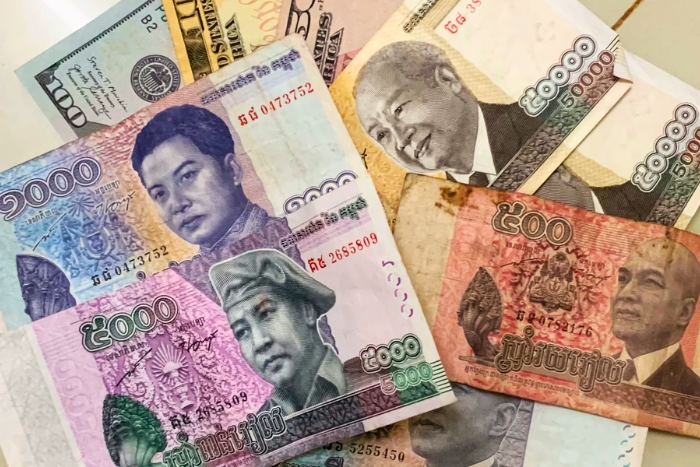
In Cambodia, two currencies are used side by side :
- Cambodian Riel (KHR) : mainly used for small change and local transactions
- US Dollar (USD) : widely accepted in cities, hotels, and tourist areas
For the full details : Currency in Cambodia
A few key points to keep in mind :
- Prices are often in USD, but change under $1 is usually given in riel
- US bills must be clean and undamaged, or they may be refused
- ATMs in cities dispense USD, often in large notes
- Credit cards are accepted in hotels and larger restaurants, but cash is essential for markets, tuk-tuks, and small shops
- In rural areas, ATMs and card payments are more limited
To avoid inconvenience, it helps to carry small USD bills, keep a backup card, and inform your bank before traveling. Tipping in Cambodia is not required but appreciated, especially for drivers, guides, and service staff.
Once you get used to the dual-currency system, managing money becomes simple - an important part of any smooth Cambodia travel guide.
2. Local culture and etiquette
Understanding local customs is an important part of how to prepare for a trip to Cambodia, as small gestures of respect can make interactions more meaningful.
- Temple etiquette : Visitors should cover their shoulders and knees when visiting places like Angkor Wat and remove their shoes before entering.
- Greetings and respect : A polite attitude goes a long way. A slight bow with palms together (sampeah) is appreciated, especially when greeting elders.
- Body language : Avoid touching someone’s head, pointing with your feet, or using only your left hand when giving or receiving items.
- Public behavior : Stay calm and respectful, as loud arguments or excessive public displays of affection are generally frowned upon.
- Religion and sensitivity : Buddhism plays a central role in daily life, so behave quietly in temples, avoid touching Buddha statues, and women should not have physical contact with monks.
These simple cultural habits are easy to follow and help create a more respectful and authentic Cambodia travel guide experience.
3. Internet, SIM cards and connectivity
Staying connected is easier than expected, but having mobile data quickly becomes essential when you travel to Cambodia. While Wi-Fi is available in hotels and cafés, it can be unreliable outside major cities. A local SIM card is inexpensive and widely available at airports or from providers like Smart, Cellcard, and Metfone, usually costing around $5-10. With generally good coverage even in rural areas, it helps travelers navigate, book transport, and stay connected throughout the trip.
4. Transportation in Cambodia
Getting around Cambodia is part of the experience, and understanding your options is one of the key things to know before going to Cambodia, especially for first-time visitors.
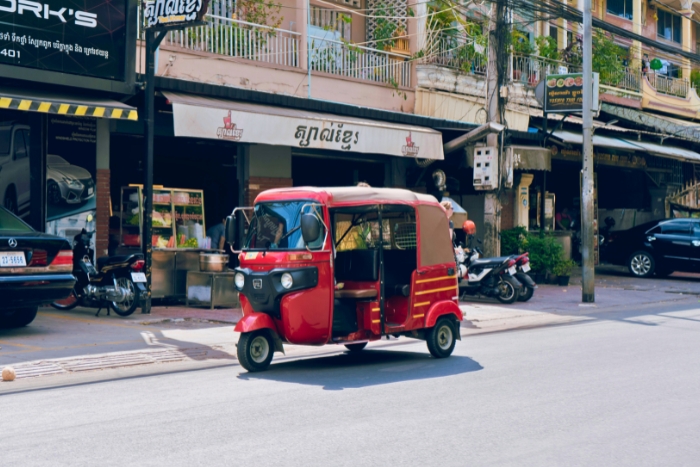
- Tuk-tuks and ride-hailing apps : The most common way to get around cities. They are affordable and easy to find. You can agree on a price in advance or use apps like Grab or PassApp for fixed fares and less hassle.
- Buses and minivans : The main way to travel between destinations like Phnom Penh, Siem Reap, and Sihanoukville. Companies such as Giant Ibis or Virak Buntham are more reliable. Night buses are available, but comfort varies.
- Private cars and drivers : A good choice for families or small groups. More comfortable and flexible, allowing stops along the way.
- Trains : The network is limited and slower than buses, so not the most practical option for most travelers.
- Bicycles and scooters : Suitable for exploring areas like Kampot or Angkor. Always wear a helmet and avoid riding at night.
- Motorbike rental : Traffic can be unpredictable, so not recommended for beginners.
With a bit of planning, getting around Cambodia becomes easy and often part of the adventure itself.
5. Cambodia time zone
Keeping track of time is simple when you travel to Cambodia, as the country follows GMT+7, the same time zone as Vietnam and Thailand. There is no daylight saving time, so schedules remain consistent year-round, making it easier to plan flights, tours, and daily activities without confusion.
Discover more : Cambodia Time Zone
6. Electrical adapters and power supply
The standard voltage in Cambodia is 230V at 50Hz. Since plug types A, C, and G are commonly used, bringing a reliable universal adapter is an essential part of any Cambodia travel advice to keep your devices charged. Most modern smartphones and cameras support dual voltage, but it’s still worth checking before use. A universal adapter is a simple, reliable solution - one less thing to worry about during your trip.
Learn more : Electric plug Cambodia
III. Top places to visit in Cambodia
Wondering where to go when you travel to Cambodia ? From ancient temples to quiet coastal towns, these destinations offer a diverse mix of culture, history, and nature - essential highlights for any well-rounded itinerary.
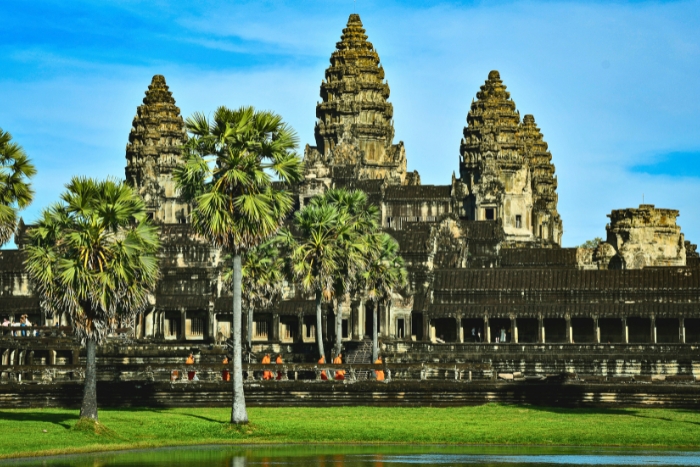
- Angkor Wat : A 12th-century UNESCO World Heritage Site and one of the world’s most impressive temple complexes, known for its grand scale and intricate carvings.
- Siem Reap : More than just a gateway to the temples, it offers vibrant night markets, local cuisine, and traditional Apsara dance performances.
- Phnom Penh : A vibrant capital on the Mekong River, home to the Royal Palace and important historical sites such as Tuol Sleng and the Killing Fields.
- Koh Rong & Koh Rong Samloem : Tropical islands with white-sand beaches and clear water, perfect for relaxing, snorkeling, or diving.
- Sihanoukville : A coastal hub and main gateway to the southern islands and nearby natural areas.
- Kampot : A peaceful riverside town known for pepper farms, colonial charm, and sunset views.
- Kep : A quiet seaside destination famous for its crab market and access to nearby islands like Koh Tonsay.
- Battambang : A charming destination with colonial architecture, countryside scenery, and a growing art scene.
- Kratie : A relaxed Mekong town known for spotting rare Irrawaddy dolphins and enjoying peaceful river views.
Each destination offers a different perspective on Cambodia, helping you create a balanced and memorable journey.
IV. What to eat in Cambodia
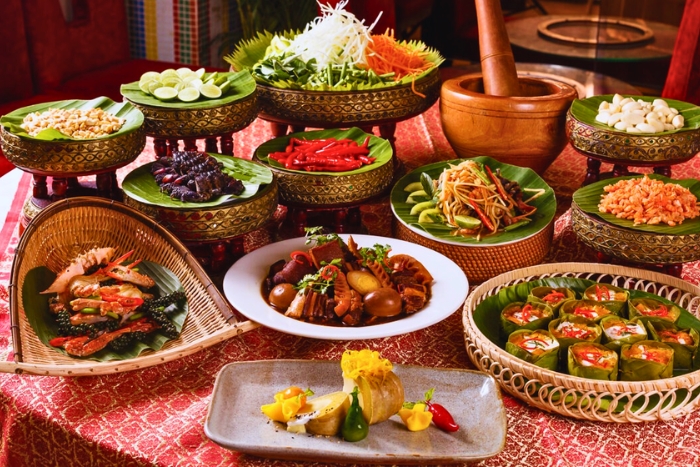
Exploring local food is one of the most enjoyable things to know before going to Cambodia, as the cuisine is both flavorful and deeply rooted in tradition. Staples like rice and freshwater fish appear in many dishes, from fish amok to grilled pork with rice and nom banh chok. Street food is widely available and often excellent, but it’s best to choose busy stalls and freshly cooked meals. Tap water isn’t safe, so stick to bottled drinks, and don’t miss local favorites like Angkor beer or traditional palm wine.
V. Where to stay in Cambodia
Choosing where to stay is an important part of any Cambodia travel advice, as accommodation varies depending on location, budget, and travel style.
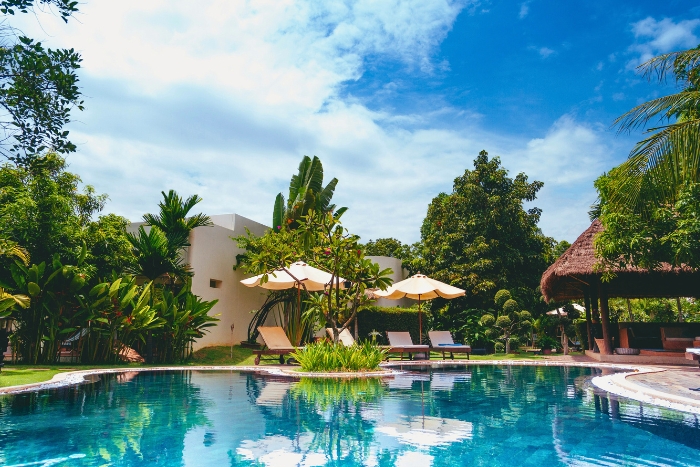
Main destinations to stay :
- Siem Reap : The widest range of options, from budget hostels to luxury resorts, ideal for visiting Angkor Wat.
- Phnom Penh : A mix of boutique hotels and international chains, especially around the riverside.
- Battambang & Kampot : Smaller towns with charming guesthouses and a slower pace.
- Coastal and islands (Kep, Koh Rong, Sihanoukville) : Beach resorts, boutique stays, and island bungalows for a more relaxed experience.
Types of accommodation :
- Budget ($5-15) : Simple guesthouses and hostels, often family-run
- Mid-range : Comfortable hotels with good value
- Luxury : High-end resorts and international hotels with full amenities
- Boutique stays : Unique, locally owned properties
- Rural & eco stays : Basic but peaceful, closer to nature
From city hotels to island retreats, Cambodia offers options for every traveler - making it easy to find the right place to stay in any Cambodia travel guide.
Cambodia is a place that stays with you long after the dust of the tuk-tuks has settled. It is a country shaped by golden sunrises over Angkor and calm sunsets along the Mekong. While planning may seem complex at first, following the right Cambodia travel advice can turn your trip into a smooth and meaningful experience. From showing respect in temples to navigating local markets, these are the key things to know before going to Cambodia that make a real difference. With guidance from trusted experts like Autour Asia, every detail becomes easier to manage. With these Cambodia travel tips, you are ready to explore the country with confidence and enjoy a truly authentic journey.
You may be interested in :
- Ready to turn this Cambodia travel advice into reality ? Let Autour Asia, your trusted Cambodia travel agency, craft a personalized journey that makes every moment in Cambodia truly count.
- Cambodia Travel Guide
- Cambodia Packages Tours
- Where To Stay In Mondulkiri
- Difference Between Koh Rong and Koh Rong Samloem
- How much does it cost per day in Cambodia
A 14-day trip to Cambodia allows you to explore the country at a comfortable pace while experiencing both its culture and natural beauty. Begin in Phnom Penh to visit landmarks like the Royal Palace and the Tuol Sleng Genocide Museum. Then travel to Siem Reap to discover Angkor Wat and nearby temples over several days. Continue to Kampong Cham and Kratie for a quieter riverside experience and a chance to see Irrawaddy dolphins. Head north to Preah Vihear Temple, then explore Battambang for its local charm. Finish your journey relaxing on the beaches of Koh Rong Sanloem or Sihanoukville.
Cambodia travel cheap or expensive for 2 weeks depends on your travel style, but overall, Cambodia is considered a budget-friendly destination. For a basic trip, you can spend around $400-600 for two weeks, including accommodation, food, and local transport. Mid-range travelers may spend $700-1,200 for more comfort, while luxury trips can go higher. Food is inexpensive, especially local dishes, and transport like buses or tuk-tuks is affordable. Entrance fees, like Angkor Wat, are one of the bigger costs. Overall, Cambodia offers great value for money, making it easy to plan a 2-week trip without spending too much if you manage your budget well.
Yes, Cambodia is a good choice for first-time travelers in Southeast Asia. It’s relatively easy to get around, affordable, and locals are generally friendly and welcoming. Major places like Siem Reap and Phnom Penh are well set up for tourism, with plenty of transport options, English-speaking services, and a wide range of accommodation. The pace of travel is also manageable, and you don’t need to plan everything in detail. At the same time, Cambodia still feels authentic, so you get a real cultural experience. As long as you follow basic travel tips - like staying aware and preparing a few essentials -it’s a comfortable and rewarding destination to start exploring the region.
Related travel guide
Other similar articles


CUSTOMIZABLE BY LOCAL EXPERTS
Personalized trip at the original price!

REFUND GUARANTEE
We believe in our work and promise to give you money back.

GOOD PRICE / QUALITY
95% satisfied more than expected!

24/7 LOCAL SUPPORT
We are always available online to provide assistance at any time.

Most read articles


Autour Asia is highly recommended on
Embracing the mission of "Satisfied more than expected" and providing authentic experiences, we have received numerous recommendations on reputable travel forums: