
Backpacking Or Comfort Travel In Laos - Which Style To Choose?
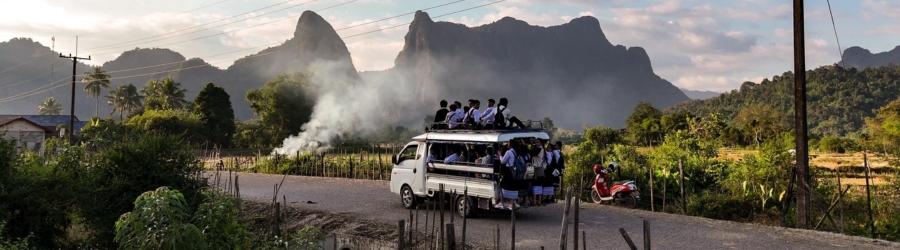
Laos, often called the “Land of a Million Elephants,” is one of Southeast Asia’s most enchanting destinations. From the UNESCO-listed temples of Luang Prabang to the serene waters of the Mekong River and the laid-back charm of Vang Vieng, the country offers a slow, soulful travel experience that feels worlds away from the rush of modern life. But when planning your trip, one big question naturally comes up: Should you choose backpacking or comfort travel in Laos ? The truth is, both travel styles offer incredible experiences - just in very different ways. In this comprehensive guide, we’ll compare backpacking vs comfort travel in Laos, explore the pros and cons of each, and help you decide which travel style best matches your personality, budget, and expectations.
Backpacking vs Comfort Travel in Laos
I. Backpacking in Laos
Backpacking in Laos has long been part of the legendary Southeast Asia travel route. It’s about freedom, simplicity, social encounters, and embracing the unexpected.
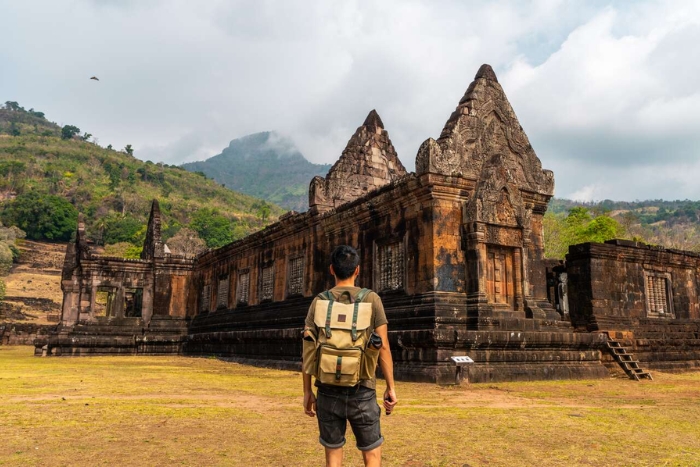
1. What is backpacking travel in Laos ?
Backpacking in Laos is a slow and immersive way to explore the country, focused on flexibility, simplicity, and cultural connection. Travelers move between places like Luang Prabang, Vang Vieng, Vientiane, and the 4000 Islands, often by sleeper bus or minivan, embracing the journey itself. With affordable guesthouses, inexpensive street food, and spontaneous itineraries, backpacking in Laos encourages meaningful local interactions, natural exploration, and a relaxed pace shaped by community and discovery.
2. Pros of backpacking in Laos
Budget-friendly travel: Laos backpacking trip is highly affordable, with hostel dorms costing around $5–$10 per night, local meals $1–$3, and inexpensive minivan transport and motorbike rentals. Compared to neighboring countries, Laos remains relatively budget-friendly, making it ideal for students, solo travelers, long-term backpackers, and digital nomads who want to travel longer on a smaller budget.
Authentic local interactions: Traveling by local bus, eating at night markets, and staying in family-run guesthouses encourages deeper cultural immersion. In places like Muang Ngoi and the Bolaven Plateau, backpackers can experience morning almsgiving, village life, local markets, and meaningful conversations with locals.
Adventure and flexibility: Backpacking Laos offers total freedom. You can extend your stay in Vang Vieng, explore hidden waterfalls near Pakse, or spontaneously change your route based on new encounters—without being tied to a strict schedule.
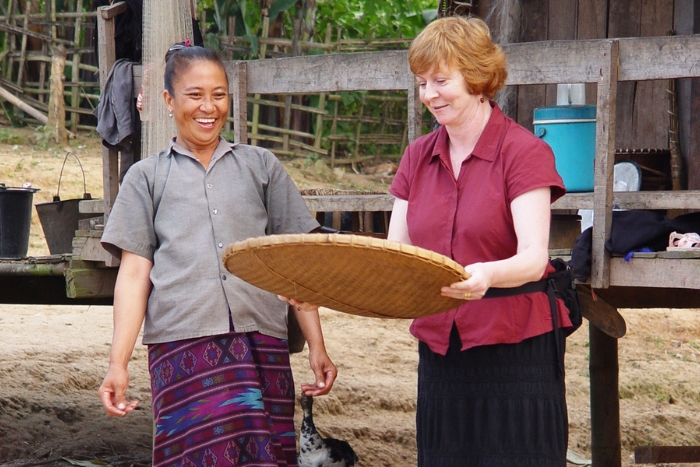
3. Cons of backpacking in Laos
Long and uncomfortable transport: Laos is mountainous and infrastructure remains basic in some areas. Bus journeys can last 6–12 hours, be bumpy and winding, lack air conditioning, or experience delays. If you have limited vacation time, these long travel days can feel physically draining.
Basic accommodation: Many guesthouses are charming but simple, often with cold showers, thin mattresses, shared bathrooms, and limited sound insulation. If comfort and sleep quality are important to you, this style of travel can be challenging.
Physical fatigue: Backpacking requires constant energy—carrying luggage, navigating bus stations, negotiating prices, and adapting to new situations. While exciting for some travelers, it can become exhausting over time.
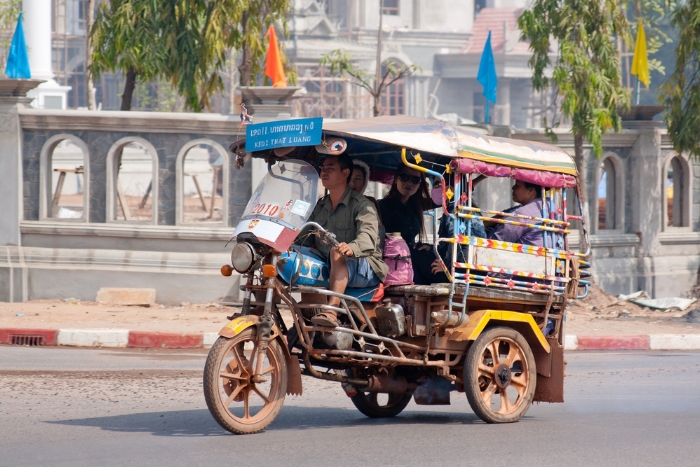
4. Laos backpacking travel budget : what it costs ?
Backpacking in Laos remains very affordable, with accommodation ranging from €4.50–€17.50 for a hostel dorm and €14–€28.50 for a budget private room. Street food costs around €0.85–€3.50, while local restaurant meals range from €1.30–€4.40. Transport is inexpensive, with buses between cities costing €4.40–€26 and scooter rentals about €6.50–€13 per day. A budget backpacker typically spends €19–€28.50 daily, while mid-range travelers average €28.50–€38.
| Category | Shoestring Budget ($/day) | Mid-Range Budget ($/day) | Notes |
| Accommodation | $5–10 | $15–30 | Hostel dorms $3–8; basic private rooms $10–20. Luang Prabang is pricier; rural areas like Nong Khiaw are cheaper. |
| Food & Drinks | $7–15 | $15–25 | Street food $1–4; Beer Lao $1–2; tourist restaurants add $5–10 per meal. |
| Transportation | $4–10 | $10–20 | Local buses ~$1/hour; Lao-China Railway $12–20; motorbike rental $5–10/day. |
| Activities & Fees | $5–10 | $10–20 | Temple entry $1–3; tubing in Vang Vieng $5–10; Kuang Si Falls $2–3; guided trekking $20–50. |
| Miscellaneous | $3–5 | $5–10 | Visa $30–40; SIM card $2–5; laundry $1–2/kg; ATM fees $2–5. |
| Total Daily Average | $24–50 | $55–105 | Rural areas are cheaper than cities like Vientiane and Luang Prabang. |
II. Comfort travel in Laos
If backpacking is about immersion through simplicity, comfort travel in Laos is about experiencing the country’s beauty while prioritizing rest and convenience.
1. What is comfort travel in Laos ?
Comfort travel in Laos focuses on relaxation, quality accommodation, and well-organized experiences while still enjoying the country’s cultural and natural highlights. Travelers typically stay in mid-range hotels or boutique resorts and use private or convenient transport, allowing for a smoother and less physically demanding journey. Unlike backpacking travel, which emphasizes budget living, spontaneity, and minimal comfort, comfort travel balances authentic exploration with convenience, personalized services, and a more structured itinerary.
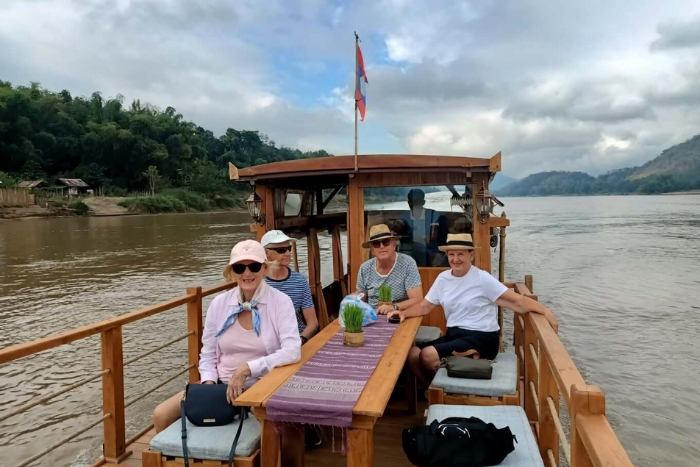
2. Pros of comfort travel in Laos
Rest and recovery: After temple visits or trekking, returning to air conditioning, a swimming pool, and a comfortable hotel makes a real difference. Laos offers beautiful boutique hotels, eco-lodges, and riverside resorts, especially in Luang Prabang, Vientiane, and the 4000 Islands region, turning your stay into a truly restorative experience.
Time efficiency: With only 7–10 days, comfort travel helps maximize your time through private transfers, domestic flights, and organized tours, reducing travel stress and allowing more time to enjoy each destination.
Ideal for special occasions: Comfort travel is perfect for honeymoons, anniversary trips, family vacations, travelers over 40, and short-term holidaymakers seeking relaxation and convenience.
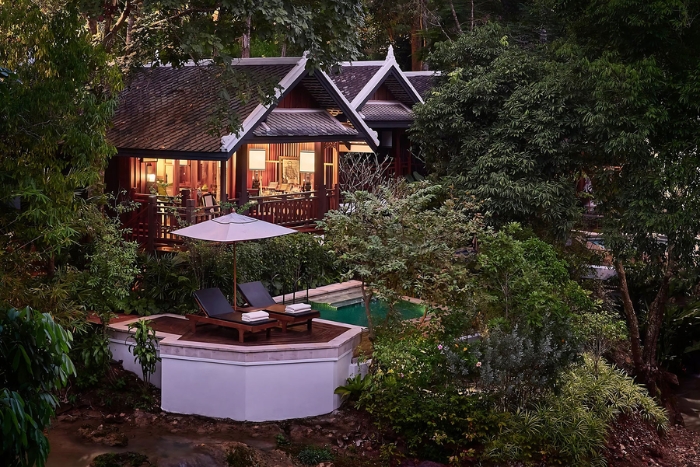
3. Cons of comfort travel in Laos
Higher cost : private rooms, guided tours, and private drivers significantly increase expenses. Laos may be affordable compared to Europe - but luxury still adds up.
Risk of the “Travel Bubble” : high-end resorts can unintentionally isolate you from local life. If your interactions are mostly with hotel staff and tour guides, you might miss spontaneous street-level experiences.
Reduced flexibility : pre-booked hotels and tours mean less spontaneity. Changing plans last-minute can be costly.
4. Laos comfort travel budget : what it cost ?
| Category | Comfort Budget ($/day) | Notes |
| Accommodation | $20–50 | Private rooms in mid-range guesthouses or 3-star hotels with AC, Wi-Fi, breakfast. Around $30–40 in Vientiane, $40–60 in Luang Prabang. Boutique options available at reasonable prices. |
| Food & Drinks | $15–25 | Local restaurants $5–10 per meal; coffee $2–4; Beer Lao $2–3; fusion restaurants $10–15 dinners. |
| Transportation | $10–20 | AC buses/vans between cities (e.g., Luang Prabang to Vang Vieng) $10–20; taxis $3–5; domestic flights $50–80; motorbike rental ~$10/day. |
| Activities & Fees | $10–20 | Guided tours (e.g., Kuang Si Falls or Mekong cruises) $15–30; temple entry $2–5; cooking classes or spa $20–40. |
| Miscellaneous | $5–15 | Visa $30–40; SIM card $5–10; laundry $2–3; occasional massage or souvenirs ~$10. |
| Total Daily Average | $60–130 | Higher during peak season (Nov–Feb); lower in off-peak months. |
III. Backpacking vs comfort travel in Laos : the best option ?
Laos is affordable overall, but the gap between backpacking and comfort travel is noticeable. Backpacking keeps costs low through shared spaces and local options, while comfort adds premiums for privacy and convenience.
Backpacking vs comfort travel in Laos – complete comparison
| Category | Backpacking | Comfort travel |
| Pros | Budget-friendly, flexible, immersive, social, adventurous | Comfortable, time-efficient, relaxing, less tiring |
| Cons | Long bus rides, basic rooms, physically demanding | Higher cost, less spontaneity |
| Total daily average | $24-105 | $60–130 |
Who should choose what ?
Choose BACKPACKING if: You're a solo traveler, student, or adventurer on a tight budget ($20-60/day) seeking immersion and flexibility. Ideal for longer trips (2+ weeks), young explorers, or those entering from nearby Vietnam via budget bus. It's perfect if you thrive on spontaneity, like tubing in Vang Vieng or hiking in remote villages, and don't mind basic comforts.
Choose COMFORT TRAVEL if: You prefer relaxation, have limited time (1-2 weeks), or are traveling as a couple/family/over 40. With a moderate budget ($50-90/day), it's great for honeymoons, anniversaries, or restorative getaways. Suited if you want efficient transport (e.g., Lao-China Railway), private rooms, and guided highlights without fatigue—especially if starting from Hanoi with an AC bus or flight.
Blend the two ? : Many travelers mix styles - backpack in rural areas for authenticity, then switch to comfort in cities like Luang Prabang for recovery. This hybrid approach offers the best of both worlds without extremes.
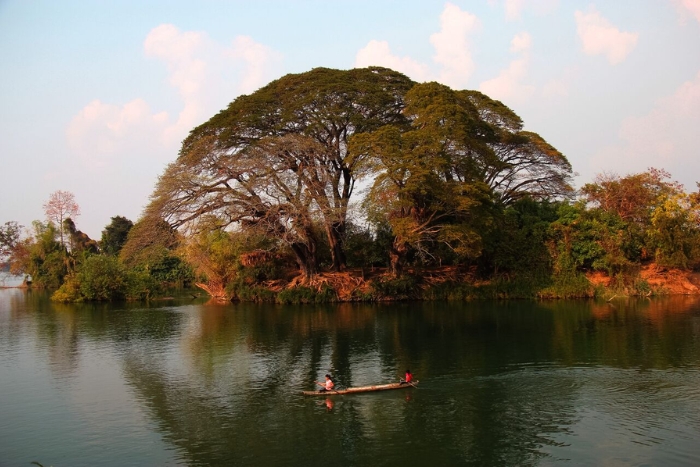
A journey through Laos is an invitation to embrace slowness, serenity, cultural richness, heartfelt hospitality, and breathtaking natural beauty. Ultimately, there is no single “right” way to experience travel in Laos. Whether you choose backpacking or comfort travel in Laos, or a blended approach, the key is selecting a style that matches your pace and purpose. For personalized itineraries and expert guidance, Autour Asia – a travel agency in Asia can help you design a journey that reflects your travel personality. One thing is certain: Laos will leave a lasting impression on your heart.
>>> Luang Prabang 2-week trip
>>> What to do in Pakse ?
>>> Laos Travel Guide
>>> Laos travel itinerary 2 weeks
>>> Laos Tours
Two weeks in Laos is generally enough to experience the country’s highlights at a relaxed pace, especially if you follow a well-planned Laos travel itinerary 2 weeks route. In 14 days, you can explore the UNESCO-listed temples of Luang Prabang, enjoy outdoor adventures in Vang Vieng, discover the laid-back capital Vientiane, and even head south to the 4,000 Islands. Laos is not a country to rush, so two weeks allows enough time for cultural immersion, nature, and slow travel without feeling exhausted.
When comparing backpacking vs comfort travel in Laos with travel in Vietnam, Laos is generally affordable but not always as cheap as its neighbor. While accommodation and local transport can be inexpensive in both countries, food in Vietnam is often slightly cheaper and more diverse at lower prices. Vietnam’s stronger infrastructure and market competition help keep overall costs down. In Laos, prices in tourist hubs like Luang Prabang can be higher due to limited supply and slower transport systems. Overall, Laos remains budget-friendly, especially for backpacking, but Vietnam usually offers better value for ultra-budget travelers.
Backpacking in Laos is generally safe, and most travelers experience a peaceful and welcoming atmosphere throughout the country. Cities like Luang Prabang and Vientiane are known for their relaxed vibe and friendly locals. However, as with any destination, petty theft, transport risks, and occasional scams can occur, especially around tourist areas or bus stations. Roads can be rough, and motorbike travel requires caution. In rural regions, travelers should stay on marked paths due to unexploded ordnance. By using common sense, securing valuables, and avoiding unsafe alcohol, backpacking in Laos remains a safe and rewarding experience.
Related travel guide
Other similar articles


CUSTOMIZABLE BY LOCAL EXPERTS
Personalized trip at the original price!

REFUND GUARANTEE
We believe in our work and promise to give you money back.

GOOD PRICE / QUALITY
95% satisfied more than expected!

24/7 LOCAL SUPPORT
We are always available online to provide assistance at any time.

Most read articles


Autour Asia is highly recommended on
Embracing the mission of "Satisfied more than expected" and providing authentic experiences, we have received numerous recommendations on reputable travel forums: